
Inside the Mind of China’s Gen Z Navigating Pressure and Purpose
- Date:
- Views:220
- Source:The Silk Road Echo
China's Gen Z—born between 1997 and 2012—is redefining what it means to grow up in a hyper-connected, high-pressure society. With over 260 million young people shaping the future, this generation is caught between sky-high expectations and a deep craving for meaning. They're not just chasing grades or jobs; they're searching for purpose in a world that often feels overwhelming.
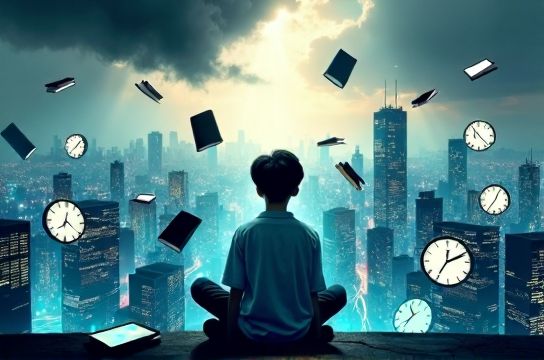
The Pressure Cooker: Education, Family, and 'Involution'
'Involution'—a term sweeping Chinese social media—describes the endless grind of working harder for the same results. For Gen Z, this starts early. Consider this: the average Chinese student spends 8.5 hours a day in school, plus 2–3 hours on homework. Add in tutoring, and many hit 12-hour study days.
Family expectations weigh heavily. A 2023 survey by Peking University found that 68% of Gen Z feel pressure to succeed 'for their parents.' The gaokao (college entrance exam) isn't just a test—it's a life-defining moment with stakes so high, some students report panic attacks months in advance.
| Life Aspect | Average Time Spent (Daily) | Main Stress Source |
|---|---|---|
| Education | 8.5 hours | Gaokao prep, rankings |
| Social Media | 2.7 hours | Social comparison, FOMO |
| Part-time Work/Side Hustles | 1.2 hours | Financial pressure |
| Sleep | 6.4 hours | Academic overload |
Digital Natives with Analog Anxiety
Gen Z lives online—but not always happily. Platforms like Xiaohongshu and Douyin offer escape, yet fuel anxiety. A 2024 Tencent Youth Report shows 57% compare themselves to others 'often or always' online. The curated perfection? It’s exhausting.
But here's the twist: they’re fighting back. 'Lying flat' (tang ping) and 'let it rot' (sang) movements aren’t laziness—they’re quiet rebellion. By rejecting relentless hustle culture, Gen Z is saying: 'I exist beyond productivity.'
Searching for Purpose Beyond the Paycheck
Money matters, but so does meaning. In a McKinsey survey, 72% of Chinese youth said 'personal fulfillment' is more important than salary when choosing a job. They’re drawn to careers in mental health, sustainability, and creative tech—not just finance or engineering.
This shift is visible in education too. Applications to psychology programs have jumped 40% since 2020. Even corporate giants are adapting: Alibaba now offers 'mental wellness days,' and ByteDance runs mindfulness workshops.
The Road Ahead: Balancing Pressure and Passion
China’s Gen Z isn’t broken—they’re evolving. They face immense pressure, yes, but they’re also pioneering new definitions of success. From digital detox trends to grassroots support groups, they’re building communities that value well-being over winning.
For brands, educators, and policymakers, the message is clear: support their journey, not just their output. Listen. Adapt. Empower.
Because when Gen Z finds balance, China doesn’t just get a generation of workers—it gets a wave of purpose-driven changemakers.