
Chinese Society Explained: The Role of WeChat in Shaping Social Norms
- Date:
- Views:258
- Source:The Silk Road Echo
If you've spent any time in China—or even just chatted with someone who has—you've probably heard of WeChat. But this isn't just another messaging app. Think of it as the Swiss Army knife of Chinese digital life: social network, bank, ID card, and lifestyle hub all rolled into one. With over 1.3 billion monthly active users (Statista, 2024), WeChat isn’t just popular—it’s practically mandatory.
More Than Messaging: WeChat as a Cultural Force
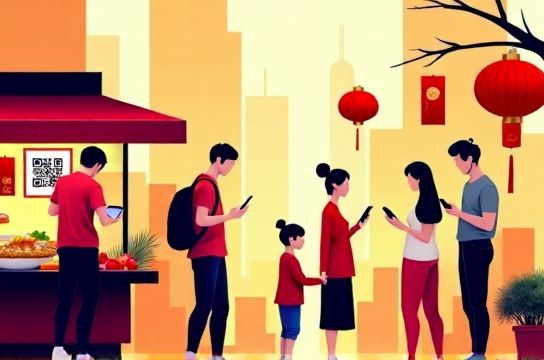
In China, not having WeChat is like showing up to a party without pants. It’s that awkward. From splitting dinner bills with red envelopes to scanning QR codes for street food, WeChat shapes daily interactions. It's not just influencing behavior—it's redefining what it means to be socially connected.
Take social validation, for example. On Moments (WeChat’s version of Facebook feed), posting a scenic photo isn’t just sharing—it’s a status move. Friends’ likes and comments? That’s instant social currency. And miss a group chat ping during a holiday greeting rush? You might get side-eye at the next family reunion.
The Numbers Don’t Lie: How Deep Is WeChat’s Reach?
Let’s break it down with some real data:
| Metric | Value | Source |
|---|---|---|
| Monthly Active Users | 1.31 billion | Tencent Annual Report, 2023 |
| Daily Usage Time | 90 minutes | QuestMobile, 2024 |
| WeChat Pay Users | Over 1 billion | Tencent Financial Data |
| Moments Posts per Day | ~700 million | Internal Estimate |
These aren’t just stats—they’re signs of a society wired through one app. Want to rent a bike? WeChat. Need a doctor? WeChat. Applying for a job? Better have a clean Moments history.
WeChat Etiquette: The Unwritten Rules
There’s a whole etiquette code embedded in WeChat use. For instance:
- Don’t leave chats on read—it’s rude. Seen? Reply. Fast.
- Avoid voice messages in work groups—lengthy audio notes are a no-no unless you’re grandma.
- Red envelopes during holidays aren’t optional—they’re social glue. Skipping them? Big oops.
And let’s talk about group chats. A typical Chinese family might have five: parents, uncles, cousins, school alumni, and the neighborhood committee. Being silent in all of them? Suspicious. Posting too much? Annoying. It’s a delicate balance.
The Dark Side: Surveillance and Social Pressure
Of course, it’s not all smooth sailing. Critics argue WeChat enables digital surveillance—especially outside China, where overseas servers still comply with Beijing’s data laws. Plus, the pressure to stay ‘on’ 24/7 leads to digital fatigue. Some young users now practice “micro-withdrawal”—hiding posts, muting groups, or using aliases.
Yet, despite the downsides, WeChat remains deeply woven into the fabric of Chinese identity. It’s not just an app. It’s a mirror reflecting how technology, culture, and human connection evolve together.
So next time you open your phone, ask yourself: could your country run on one app? In China, the answer is already yes.