
Local Perspective China: The Dilemma of Being an Only Child in a Traditional Family
- Date:
- Views:221
- Source:The Silk Road Echo
If you've ever sat at a Chinese dinner table during Spring Festival, you know the drill: steaming dumplings, loud chatter, and—inevitably—the question tossed your way: "Hai zi ne? You don't have kids yet?" Now imagine growing up as the only child in a family where three generations pin their hopes on you. That’s the reality for millions raised under China’s now-defunct One-Child Policy.
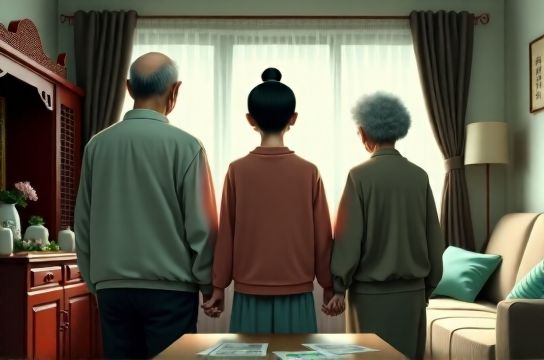
Enacted in 1979 and relaxed in 2016, the policy shaped a generation—often called the 'Little Emperors' or 'Lonely Only Children.' But behind the nickname lies real tension: soaring expectations, emotional loneliness, and financial pressure that could make even the most ambitious Gen Z sweat.
The Weight of One: Numbers Don’t Lie
Let’s talk stats. By 2020, over 180 million Chinese were only children—a cohort larger than the entire population of Russia. And with average life expectancy rising to 77.3 years (World Bank, 2022), many face a future supporting two aging parents and four grandparents—what sociologists call the '4-2-1' family structure.
| Year | One-Child Policy Active? | Estimated Only Children (Millions) | Fertility Rate (Avg. Births per Woman) |
|---|---|---|---|
| 1980 | Yes | ~10 | 2.7 |
| 2000 | Yes | ~80 | 1.5 |
| 2010 | Yes | ~150 | 1.2 |
| 2023 | No (relaxed) | ~180+ | 1.09 |
Yep, fertility keeps dropping—even after the policy ended. Why? Sky-high childcare costs, urban stress, and let’s be real: no one wants to raise three kids in a 60-square-meter Beijing apartment.
Emotional Toll: Raised Like Royalty, Feeling Like a Prisoner
Only children often get doted on—private tutors, piano lessons, trips abroad. But love can feel conditional. A 2021 Peking University study found that 68% of only children felt 'extreme pressure' to succeed—not just for themselves, but to justify their parents’ sacrifices.
And when it comes to elder care? Forget about sharing duties. As Liu Mei, a 32-year-old accountant from Chengdu, puts it: 'When Mom broke her hip, I had to quit my job for three months. My husband understood, but… there’s no backup plan.'
Financial Firestorm: The Hidden Cost of Being the Only One
Let’s break it down. In Tier-1 cities like Shanghai, average monthly elder care costs hit ¥8,000–¥12,000 ($1,100–$1,700). Multiply that by two parents, maybe add a grandparent or two—and suddenly, half your salary vanishes before rent.
Meanwhile, housing prices in Beijing average ¥60,000 per square meter. Good luck saving for your own place while funding parents’ retirement.
Is There Light at the End of the Tunnel?
China’s government is trying. Since 2021, tax breaks for families with two or more kids, extended maternity leave, and subsidized daycare have rolled out. But cultural inertia runs deep. Many young adults still say: 'One kid is enough—emotionally, financially, mentally.'
So what’s the takeaway? Being an only child in today’s China isn’t just about loneliness—it’s about carrying a legacy, a burden, and a dream—all alone. And as this generation ages, the ripple effects will shape China’s economy, healthcare, and soul for decades.