
Chinese Youth Culture: Fashion as a Form of Self-Expression and Rebellion
- Date:
- Views:299
- Source:The Silk Road Echo
In today’s fast-evolving China, fashion is no longer just about looking good — it's a bold statement. For the post-90s and post-00s generations, clothing has become a canvas for self-expression, identity, and quiet rebellion against traditional norms. Forget the old image of uniformed conformity; Chinese youth are rewriting the rules, one streetwear drop at a time.
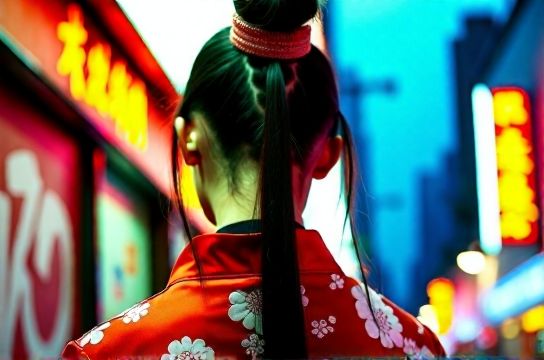
The Rise of Gen-Z Style Rebels
Gone are the days when everyone dressed the same. With over 180 million Gen-Z consumers in China, this digitally native generation is using fashion to scream individuality. According to a 2023 McKinsey report, 67% of young Chinese shoppers say personal style is key to their identity — more than any previous generation.
Platforms like Xiaohongshu (Little Red Book) and Douyin (China’s TikTok) have turned fashion into a social currency. Teens in Chengdu rock Hanfu with sneakers; Beijing skaters mix Supreme knockoffs with vintage Mao jackets. It’s chaotic, creative, and completely authentic.
Fashion as Quiet Rebellion
In a society where academic pressure and family expectations run high, what you wear can be your only act of defiance. Wearing oversized hoodies, gender-fluid designs, or even black nail polish isn’t just trendy — it’s a subtle middle finger to 'proper' behavior.
Take the underground guochao (国潮) movement — literally 'nation’s trend' — where brands like Li-Ning and Peacebird blend traditional Chinese elements with urban streetwear. It’s patriotism with an edge, pride with personality.
From Runway to Real Life: The Data Behind the Trend
Let’s talk numbers. The Chinese youth fashion market was valued at $145 billion in 2023, with streetwear growing at a jaw-dropping 18% annually. Here’s how different styles stack up:
| Fashion Style | Popularity Among Youth (%) | Annual Growth Rate | Main Influences |
|---|---|---|---|
| Streetwear | 62% | 18% | K-pop, Hip-Hop, Sneaker Culture |
| Guochao (National Chic) | 54% | 22% | Traditional Culture, National Pride |
| Genderless Fashion | 38% | 30% | Idols, LGBTQ+ Awareness |
| Vintage & Thrift | 41% | 15% | Sustainability, Indie Aesthetic |
As the table shows, it’s not just about looking cool — it’s about aligning fashion with values. Sustainability? Check. Identity? Double check.
The Role of Social Media & KOLs
No discussion of Chinese youth fashion is complete without mentioning Key Opinion Leaders (KOLs). One post from a top influencer like Viya or Lay Zhang can sell out a collection in minutes. On Xiaohongshu alone, hashtags like #OOTDChina and #GuochaoStyle rack up billions of views.
But it’s not just hype. These platforms empower real people to become trendsetters. A college student in Hangzhou can gain 500K followers just by styling Hanfu with modern twists. That kind of democratization is revolutionary.
What’s Next?
The future of Chinese youth fashion is hybrid, rebellious, and deeply personal. As global brands scramble to localize, homegrown labels are winning hearts by speaking the language of authenticity. Whether it’s mixing silk robes with cargo pants or rocking queer-positive designs in conservative cities, fashion has become the voice of a generation that refuses to be silent.
So next time you see a teen in Shanghai wearing a Tang-style jacket with neon dreadlocks, don’t call it chaos. Call it freedom. Because in China’s youth culture, what you wear isn’t just fashion — it’s freedom stitched in fabric.