
Chinese Youth Culture: How Gen Z Is Redefining Work-Life Balance
- Date:
- Views:328
- Source:The Silk Road Echo
In today’s fast-evolving China, Gen Z isn’t just growing up—they’re reshaping the rules. Forget the old 9-to-5 grind; young Chinese workers are saying “bu xing!” (that won’t work!) to burnout culture. From quiet quitting to 'lying flat,' this generation is redefining what success means—and it’s all about balance.
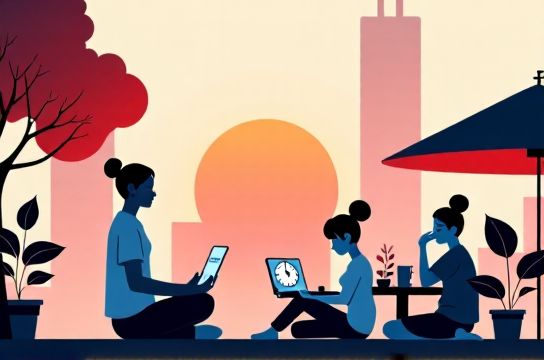
Born between 1997 and 2012, China’s Gen Z now makes up nearly 20% of the population—over 280 million people. And they’re not playing by their parents’ playbook. Where previous generations prized job stability and long hours as signs of dedication, Gen Z values mental health, flexibility, and purpose over prestige.
The Rise of ‘Tang Ping’ (Lying Flat)
You’ve probably heard of tang ping, the viral term for rejecting societal pressure to overwork. It started as a protest against the exhausting 996 work culture (9 a.m. to 9 p.m., 6 days a week)—a norm once glorified in tech hubs like Shenzhen and Beijing.
But Gen Z isn’t just lying down. They’re choosing intentional living. A 2023 survey by Zhaopin.com found that 68% of Gen Z job seekers prioritize work-life balance over high salary—compared to just 43% of millennials.
Numbers Don’t Lie: Gen Z vs. The Old Guard
Check out how the generations stack up:
| Value | Gen Z (%) | Millennials (%) |
|---|---|---|
| Work-life balance top priority | 68% | 43% |
| Willing to switch jobs for flexibility | 74% | 52% |
| Feel stressed by workplace pressure | 81% | 63% |
Sourced from Zhaopin & PwC China Workforce Survey, 2023.
Side Hustles & Digital Freedom
Many young Chinese aren’t waiting for corporate approval to live life on their terms. Platforms like Xiaohongshu (Little Red Book) and Douyin (China’s TikTok) have become launchpads for side gigs—from freelance design to selling handmade goods.
Over 45% of Gen Z report earning extra income online, according to a 2024 iResearch report. For them, financial freedom isn’t tied to one employer—it’s built through multiple streams and self-expression.
Employers Are Listening (Sort Of)
Smart companies are adapting. Tech firms like Alibaba and ByteDance have quietly dropped mandatory overtime. Some even offer “pet-friendly Fridays” or unlimited mental health days.
But change is slow. Government data shows that only 37% of Gen Z employees feel their company truly supports well-being—proof that policy often lags behind cultural shifts.
So What’s Next?
China’s youth aren’t lazy—they’re reimagining productivity. They want meaningful work, yes, but also time to travel, create, and breathe. As one 24-year-old designer in Chengdu put it: “I don’t want to be a robot who works until 30 and breaks down at 35.”
The message is clear: the future of work in China isn’t about grinding harder—it’s about living smarter. And Gen Z? They’re leading the charge.