
Fan Culture Gone Wild: Idol Worship and Its Social Impact in Modern China
- Date:
- Views:345
- Source:The Silk Road Echo
Let’s be real — fan culture in China has gone next-level. What used to be harmless admiration for singers or actors has turned into a full-blown social phenomenon, complete with obsessive followers, viral online battles, and even real-world consequences. We’re talking about more than just liking a celebrity. This is idol worship on steroids.
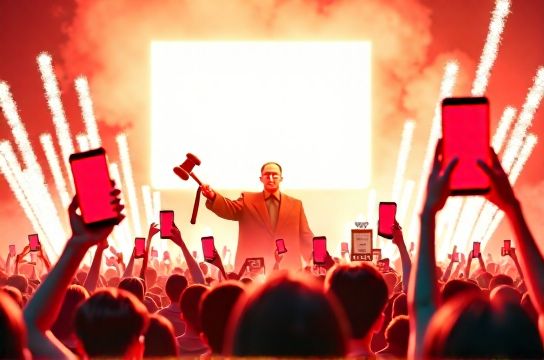
In recent years, the rise of reality talent shows like 'Youth With You' and 'Produce Camp' has supercharged China’s obsession with idols. Fans don’t just watch these shows — they invest money, time, and emotion into pushing their favorites to stardom. Voting isn’t free, either. Fans buy thousands of bottles of sponsor products just to scan QR codes for extra votes. Yes, you read that right — people bought literal *cases of milk* just to pour them out after scanning the codes. That stunt sparked public outrage and even caught government attention. The phrase 'pouring milk scandal' went viral, and honestly, it summed up how crazy things had gotten.
But why do fans go so far? For many young people, especially Gen Z, supporting an idol is about identity and belonging. In a fast-paced, high-pressure society, fandoms offer community, purpose, and emotional connection. Being part of a fan club gives you friends, goals, and even a sense of mission. It’s not just about the idol — it’s about being seen and valued in a world that often feels lonely.
Still, this intense devotion comes with serious downsides. Online, fan wars are everywhere. Twitter-like platforms such as Weibo are flooded with heated arguments, coordinated attacks, and mass reporting of anyone who dares to criticize a beloved star. Cyberbullying has become normalized, and cancel culture runs wild. Meanwhile, idols themselves are trapped in a system that demands perfection. One small mistake can trigger a PR crisis, and their agencies move fast to control the narrative — sometimes at the cost of truth.
The Chinese government hasn’t stayed silent. In 2021, regulators cracked down on 'irrational' fan behavior, banning ranking systems tied to spending and calling for healthier entertainment values. State media criticized toxic fandoms, labeling extreme idol worship as a threat to youth development. Since then, platforms have tightened rules, and some shows have been suspended.
So where does this leave fan culture? It’s evolving. While blind loyalty still exists, there’s a growing push for rational support. More fans are speaking out against abuse, demanding transparency, and focusing on artists’ actual talent instead of manufactured images.
At its best, fan culture can inspire creativity, charity, and unity. At its worst, it fuels toxicity and exploitation. The key is balance. Idol worship doesn’t have to be wild — it can be fun, respectful, and meaningful without losing your mind (or your wallet).
China’s fan frenzy is a mirror of deeper social needs: connection, expression, and escape. But as the line between admiration and obsession blurs, one thing’s clear — we need to rethink what it means to be a fan in the digital age.