
Fangyan Memes: How Dialects Are Fueling China’s Grassroots Internet Comedy
- Date:
- Views:293
- Source:The Silk Road Echo
You’ve probably seen them—those hilarious videos where someone yells ‘Niu Bi!’ in a thick Sichuan drawl, or a grandma from Dongbei scolds her grandson with such dramatic flair you can’t help but laugh. These aren’t just random clips—they’re fangyan memes, and they’re taking over Chinese social media one dialect at a time.
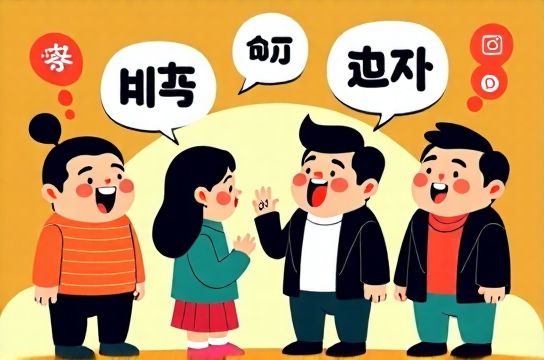
Fangyan, meaning 'regional speech' in Mandarin, refers to China’s vast array of local dialects—from Cantonese in the south to Shanghainese in the east and the booming tones of Northeastern Mandarin. While Putonghua (standard Mandarin) dominates schools and news broadcasts, online, it’s the fangyan that’s stealing the spotlight.
Why? Because authenticity sells. In a digital world full of polished influencers and scripted content, fangyan memes feel real. They’re raw, unfiltered, and packed with local flavor. Think of them as China’s answer to Southern U.S. TikTok humor—regional pride meets internet absurdity.
Take the viral 'Baoyi Baoyi' trend from Hunan, where street vendors shout at each other in exaggerated Xiang dialect, turning mundane haggling into epic comedy battles. Or the Shandong uncle who became famous for yelling 'Zou le!' ('Let’s go!') in his thick local accent during a livestream—now used as a meme for everything from escaping awkward situations to starting a food fight.
These memes thrive on platforms like Douyin, Kuaishou, and Bilibili, where rural and small-town users make up a huge portion of the audience. Unlike Beijing or Shanghai elites, these communities embrace their accents with pride. And brands are noticing. From local snack companies using Chongqing dialect in ads to e-commerce hosts doing entire sales pitches in Sichuanhua, fangyan isn’t just funny—it’s profitable.
But it’s not all laughs. Some linguists worry that while fangyan memes boost visibility, they also risk reducing complex dialects to punchlines. Still, many see the trend as a form of cultural resistance—a way for smaller communities to say, 'We’re here, we’re loud, and yes, we sound different.'
So next time you hear a fangyan meme, don’t just laugh. Listen. Behind the humor is a deeper story about identity, belonging, and how the internet is giving China’s linguistic diversity a second life—one meme at a time.