
Mental Health Stigma: Why Many Young Chinese Suffer in Silence
- Date:
- Views:289
- Source:The Silk Road Echo
In today’s fast-paced China, a quiet crisis is unfolding behind closed doors. While skyscrapers rise and tech startups boom, many young Chinese are battling anxiety, depression, and emotional burnout — often completely alone. Despite growing awareness, mental health stigma remains a powerful force, keeping millions from seeking help.
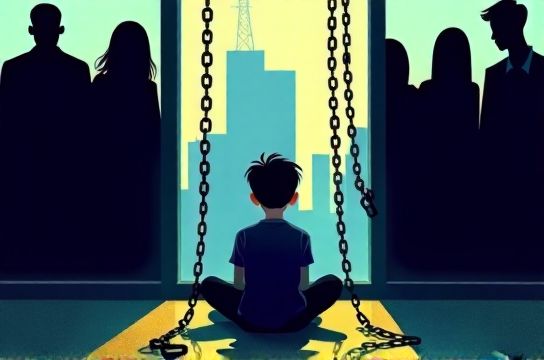
A 2023 study by Peking University found that over 60% of Chinese youth with depressive symptoms never seek professional support. Why? Because in a culture that values "face," resilience, and family honor, admitting emotional struggle can feel like failure.
"I felt weak for needing therapy," says 24-year-old Mei Lin from Shanghai. "My parents said, 'Others work harder and don’t complain. Why can’t you just tough it out?'" Her story isn’t rare — it’s the norm.
The Hidden Cost of Silence
The pressure starts early. With the gaokao (college entrance exam) looming like a shadow, students face extreme academic stress. A 2022 survey by the Chinese Mental Health Association revealed:
| Mental Health Issue | Youth Prevalence (%) | Seeking Help (%) |
|---|---|---|
| Anxiety | 42% | 18% |
| Depression | 37% | 15% |
| Burnout | 51% | 12% |
These numbers aren’t just statistics — they’re lives shaped by silence. In workplaces, the "996" grind (9 a.m. to 9 p.m., 6 days a week) glorifies overwork, while emotional exhaustion is dismissed as laziness.
Cultural Barriers Run Deep
Traditional beliefs still shape attitudes. Mental illness is often seen as a moral failing or family shame. Many older generations believe therapy is "for crazy people," and antidepressants are stigmatized as "mind-altering drugs."
Meanwhile, mental health services remain limited. According to China’s National Health Commission, there are only 2.9 psychiatrists per 100,000 people — far below the WHO recommendation of 5–10.
But Hope Is Growing
The younger generation is pushing back. Online communities on Douban, Xiaohongshu, and WeChat offer safe spaces to share struggles anonymously. Influencers and celebrities speaking out — like singer Joker Xue discussing his anxiety — are slowly normalizing the conversation.
Universities are also stepping up. Tsinghua and Fudan now offer free counseling, and mental health education is being piloted in high schools.
What Needs to Change?
- Normalize talking about feelings — at home, in schools, and offices.
- Train more counselors and integrate mental care into public health.
- Replace shame with support — emotional strength isn’t silence; it’s asking for help.
Mental health isn’t a Western luxury — it’s a human need. For China’s youth, breaking the silence isn’t just brave. It’s necessary.