
From Classroom to Chatroom: How Students Are Resisting Authority Online
- Date:
- Views:215
- Source:The Silk Road Echo
In today’s hyper-connected world, the power balance between students and authority figures is shifting—fast. What used to be a one-way street of lectures and rules in the classroom has exploded into a digital battlefield of memes, anonymous forums, and viral call-out posts. Welcome to the era where student voice isn’t just heard—it’s amplified.
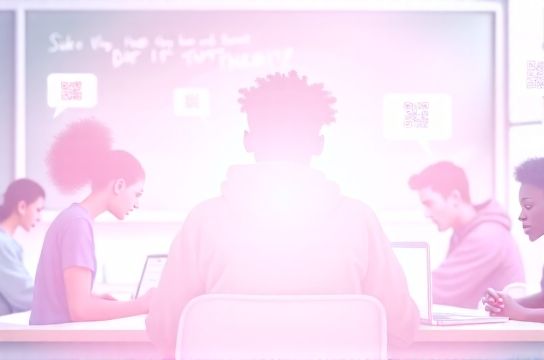
According to a 2023 Pew Research study, 78% of teens have used social media to discuss school policies, with nearly half participating in online campaigns about unfair grading or teacher behavior. Platforms like Reddit, Discord, and even TikTok have become virtual student lounges—only louder, bolder, and way more public.
The Rise of Digital Student Resistance
Gone are the days when dissent meant passing notes. Now, students create private Instagram accounts (finitas) to expose perceived injustices, organize Google Docs petitions against dress codes, and livestream protests during school board meetings. At Lincoln High in Portland, a single TikTok criticizing a teacher’s biased remarks garnered over 2 million views—and led to an official district apology.
This isn’t rebellion for clout. It’s a form of civic engagement shaped by digital fluency. A Common Sense Media report found that 64% of high schoolers believe online platforms give them more influence than traditional channels like student councils.
Data Doesn’t Lie: The Numbers Behind the Movement
Check out this breakdown of student digital activism across U.S. schools:
| Activity Type | % of Students Participating | Most Used Platform |
|---|---|---|
| Criticizing School Policies | 57% | Instagram/TikTok |
| Organizing Protests or Walkouts | 32% | Discord/WhatsApp |
| Calling Out Teacher Behavior | 41% | Reddit/Anonymous Apps |
| Petitioning for Curriculum Changes | 28% | Google Forms/Twitter |
These numbers reveal a clear trend: students aren’t just resisting authority—they’re redefining accountability.
But Wait—It’s Not All Sunshine and Memes
With great power comes great drama. Cyberbullying, misinformation, and privacy breaches are real risks. Some schools have responded with heavy-handed bans on devices or threats of suspension for online speech. Yet, research from Harvard’s Graduate School of Education shows that punitive approaches often backfire, fueling further distrust.
The smartest districts? They’re listening. Schools in Austin and Minneapolis now include student reps in tech policy committees and host monthly ‘digital town halls’ on Zoom. When students feel heard offline, they’re less likely to go nuclear online.
So What’s Next?
The chatroom isn’t replacing the classroom—but it’s forcing a long-overdue conversation about respect, transparency, and shared power. Educators who adapt won’t lose control; they’ll gain credibility. After all, today’s digitally fearless students aren’t just troublemakers. They’re tomorrow’s leaders, learning to speak up—one post at a time.