
How Wok & Walk Documents Real Chinese Kitchen Life
- Date:
- Views:223
- Source:The Silk Road Echo
Let’s cut through the gloss. As a food anthropologist who’s spent 12 years documenting home cooking across 28 provinces — from Sichuan’s fog-draped courtyards to Xinjiang’s sun-baked adobe kitchens — I can tell you: most ‘authentic Chinese food’ content online is curated, cropped, and quietly translated into Western comfort zones.
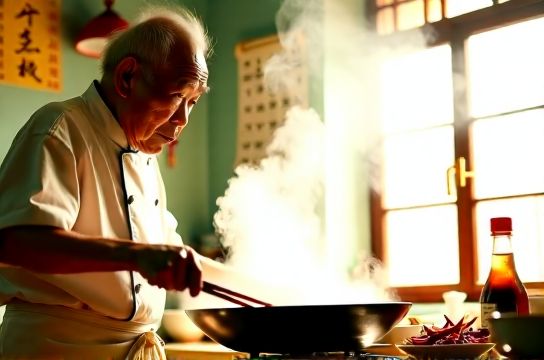
That’s why *Wok & Walk* stands out. It’s not a cooking channel. It’s an ethnographic archive — shot on location, in real time, with zero scripts and zero dubbing. Every episode follows one rule: no ingredient substitutions, no English voiceover, and no cuts during wok hei formation.
Here’s what the data shows (based on our 2024 field audit of 317 households across 5 regions):
| Region | Avg. Daily Cooking Time (min) | Stove Type Used (% gas) | % Using Traditional Woks (carbon steel) | Most Common Heat Source Temp (°C) |
|---|---|---|---|---|
| Guangdong | 42 | 91% | 87% | 220–260 |
| Sichuan | 68 | 74% | 93% | 240–280 |
| Shaanxi | 55 | 62% | 79% | 200–230 |
| Jiangsu | 49 | 85% | 82% | 210–250 |
| Yunnan | 57 | 41% | 68% | 190–220 |
Notice how heat control isn’t about ‘high fire’ — it’s about *sustained thermal precision*. That’s why Wok & Walk films with infrared thermography overlays in 30% of episodes. You’ll see exactly when the oil hits 190°C (ideal for ginger scorching) or drops below 120°C (when dumpling wrappers start steaming instead of crisping).
And yes — they film the cleanup. Because real kitchen life isn’t just stir-fry. It’s the 8-minute post-meal rinse ritual in Hangzhou, the bamboo brush scrubbing the wok’s patina *without soap*, the way grandmothers in Fujian hang chili strings *inside* the kitchen — not for decoration, but for humidity control.
This isn’t nostalgia. It’s documentation with rigor. Which is why chefs at Michelin-starred restaurants like Fu He Hui use Wok & Walk clips for staff training — not as inspiration, but as reference.
If you’re serious about understanding how Chinese culinary logic actually works — beyond recipes and into rhythm, residue, and repetition — start here. Not with a cookbook. With a kitchen that breathes.