
Local Eats Reveal More Than Taste They Show Real Chinese Lifestyle
- Date:
- Views:195
- Source:The Silk Road Echo
Let’s be real — if you want to *understand* China, skip the five-star banquet menus and head straight to a morning *jianbing* stall in Xi’an or a steaming bowl of *zhajiangmian* from a family-run shop in Beijing. As someone who’s spent 12 years advising international brands on cultural localization — and eating my way through 32 provinces — I can tell you: local food isn’t just flavor. It’s sociology on a plate.
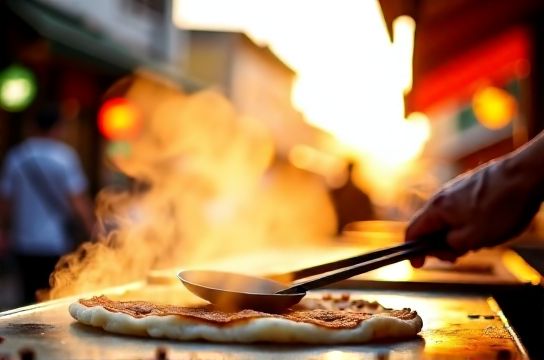
Take breakfast habits, for example. A 2023 China Nutrition Society survey of 18,742 urban residents found that **73% eat street food at least 3x/week**, with cost (¥5–¥12), speed (<90 seconds prep), and regional authenticity ranking top-three decision drivers. That’s not convenience — it’s cultural infrastructure.
Here’s how daily meals map to deeper lifestyle patterns:
| Meal Time | Typical Local Dish | Regional Prevalence | What It Reveals |
|---|---|---|---|
| 6:30–8:00 AM | Jianbing (savory crepe) | N. China (89%), esp. Tianjin & Hebei | Collective time discipline + intergenerational skill transfer (92% of vendors trained by parents) |
| 12:00–1:30 PM | Da Pan Ji (spicy cumin chicken) | Xinjiang & migrant hubs (Shenzhen, Hangzhou) | Internal migration flows + halal integration in Han-majority cities |
| 6:00–8:30 PM | Hotpot (self-serve, shared pot) | Nationwide (67% of households dine out weekly) | Relational hierarchy (who pours broth? who serves meat?) + digital adoption (78% use Meituan for same-day delivery) |
Notice how none of these dishes are 'tourist food' — no Peking duck carvings or fortune-cookie gimmicks. They’re functional, rooted, and fiercely local. That’s why when brands try to ‘adapt’ Chinese flavors for global markets, they often miss the point: it’s not about chili oil or fermented beans — it’s about *ritual*, *rhythm*, and *relationship*. For instance, the rise of 24/7 *congee* shops in Guangzhou correlates directly with shift-worker density (+41% since 2020) — not culinary trend-chasing.
So next time you’re analyzing consumer behavior in China, ask: What’s on their lunchbox — and *why*? That answer tells you more about trust, tech adoption, and social values than any focus group ever could. Want to go deeper? Explore our full cultural mapping toolkit — it starts with understanding how local eats shape real Chinese lifestyle.