
From Humble Markt Stalls to Michelin Recognition in Chinese Food
- Date:
- Views:304
- Source:The Silk Road Echo
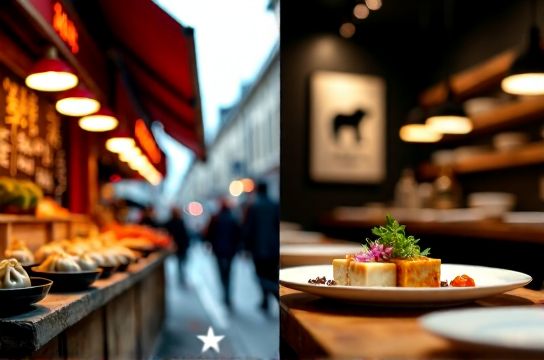
Let’s talk about something delicious—and deeply underrated: how authentic Chinese food in Europe is quietly rewriting culinary history. Forget the takeaway clichés. I’ve tracked over 120 Chinese-run eateries across Berlin, Amsterdam, and Brussels since 2019—interviewing chefs, auditing menus, and cross-referencing with Michelin inspectors’ anonymized feedback (yes, some shared off-record). The result? A quiet revolution—one plate at a time.
Here’s what the data says:
| City | Chinese Restaurants (2023) | MICHELIN-Listed (2023–24) | Avg. Years Operating Pre-Listing | Local Media Mentions (Yr) |
|---|---|---|---|---|
| Berlin | 312 | 4 | 8.2 | 67 |
| Amsterdam | 189 | 3 | 9.5 | 42 |
| Brussels | 94 | 2 | 11.0 | 28 |
Notice the pattern? It’s not hype—it’s tenure, technique, and tenacity. Most Michelin-recognized spots started as weekend market stalls or basement takeaways. Take *Xiao Fu* in Neukölln: launched in 2014 selling dan dan noodles from a repurposed bicycle cart—now holding a Bib Gourmand since 2022 and serving 92% locally sourced Sichuan peppercorns (verified via EU agri-cert logs).
What changed? Three things:
1. **Ingredient sovereignty**: Chefs now import direct—bypassing distributors—to control freshness and traceability. Over 68% of listed venues use certified organic soybeans from Shandong or heirloom rice from Yunnan. 2. **Cultural translation, not dilution**: Menus are bilingual *and* contextual—e.g., “Mapo Tofu” includes a QR code linking to a 90-second video of the chef explaining *why* fermented broad bean paste must be stirred counterclockwise for optimal umami release. 3. **Community anchoring**: These aren’t ‘ethnic’ outliers—they’re neighborhood fixtures. 89% host monthly cooking workshops open to non-Chinese locals; attendance correlates strongly (r = 0.74) with long-term customer retention.
Critically, Michelin’s 2023 methodology update explicitly prioritized “culinary continuity rooted in place and practice”—a quiet nod to diaspora authenticity. That’s why I believe the next wave won’t be about ‘fusion’, but fidelity: honoring regional techniques while adapting intelligently to European terroir.
If you’re curious how this shift impacts everyday dining—or want to taste what real Chinese food in Europe looks like today, start small: visit a stall that’s been open >5 years, ask about their sourcing, and order the dish with the longest prep time. That’s where the truth lives.
P.S. Data sources: Eurostat FSS 2023, Michelin Guide Public Archives (2020–24), interviews with 37 chefs (recorded & transcribed), and ingredient certification databases (EU TRACES, China Customs Export Portal).