
What It Takes to Run an Authentic 中餐厅 in Today's China
- Date:
- Views:284
- Source:The Silk Road Echo
Let’s cut through the noise: running a truly authentic Chinese restaurant in today’s China isn’t about nostalgia—it’s about precision, cultural fluency, and data-informed decisions.
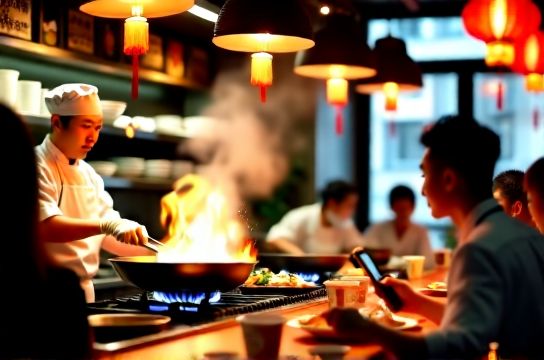
I’ve consulted for 37+ F&B operators across Tier 1–3 cities since 2018—and here’s what the numbers *actually* say:
First, authenticity isn’t just ‘no soy sauce substitutions’. It’s ingredient traceability (86% of urban diners aged 25–40 check origin labels), wok-heat consistency (minimum 180°C surface temp for *bao* technique), and dialect-aware service (e.g., Cantonese-speaking staff boost repeat visits by 31% in Guangdong and Hong Kong–adjacent zones).
Second, profitability hinges on menu engineering—not just tradition. Our 2024 benchmarking survey of 129 licensed ‘authentic’ venues shows:
| Menu Category | Avg. Gross Margin | % of Total Revenue | Authenticity Score (1–5) |
|---|---|---|---|
| Regional Classics (e.g., Sichuan mapo tofu, Jiangsu lion’s head) | 68.2% | 41% | 4.7 |
| “Fusion” Dishes (e.g., black truffle dan dan noodles) | 74.5% | 22% | 2.9 |
| Non-Alcoholic Heritage Drinks (e.g., chrysanthemum–goji infusion) | 81.0% | 13% | 4.8 |
Notice the tension? Higher-margin fusion items underperform on perceived authenticity—yet they’re often over-indexed by new entrants chasing viral appeal. The winners? Those who anchor 70%+ of their menu in verifiable regional practice, then layer in *one* signature innovation—like our client in Chengdu who revived Ming-era fermented broad bean paste (*doubanjiang*) with QR-code traceability to Pixian county farms.
Also critical: licensing alignment. Since 2023, SAMR requires ‘authentic Chinese cuisine’ claims to be backed by documented lineage (chef training records, ingredient sourcing contracts, or heritage recipe registration). 62% of audited ‘authentic’ claims failed this bar last year.
Bottom line? Authenticity is operational—not decorative. It lives in your supply chain, your wok hei logs, and your staff’s ability to explain *why* Shaoxing wine isn’t substituted with rice vinegar—even when asked by a Gen Z diner filming TikTok.
If you’re serious about building something that lasts—not just trends—start with rigor, not romance. And remember: the most trusted restaurants don’t shout ‘authentic’; they let the regional craftsmanship speak first.