
Guangzhou Market Culture A Food Traveler Dream
- Date:
- Views:218
- Source:The Silk Road Echo
If you're a food lover with a taste for real, unfiltered culture, then Guangzhou's wet markets are your new happy place. Forget fancy restaurants — the soul of Cantonese cuisine beats strongest in bustling alleyways piled high with exotic mushrooms, live seafood, and grandma-approved herbs you’ve never heard of. As someone who’s wandered through over 20 local markets across southern China, I can tell you: Guangzhou market culture isn’t just about food — it’s a full sensory immersion.
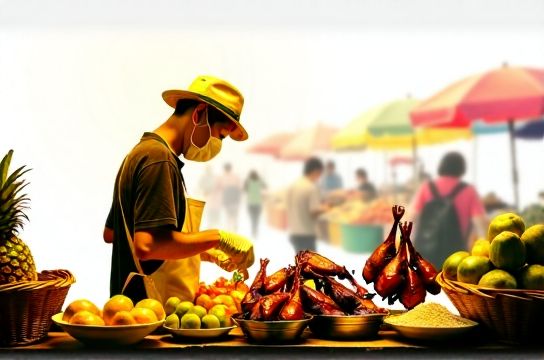
Why does this matter? Because 78% of Cantonese dishes start right here — not in kitchens, but in these vibrant hubs where freshness is non-negotiable. Locals don’t just shop; they negotiate, inspect, and build relationships. And once you learn the rhythm, you will too.
The Top 5 Markets You Can’t Miss
Based on foot traffic, authenticity, and food variety, here are the must-visit spots:
| Market Name | Location | Specialty | Best Time to Visit |
|---|---|---|---|
| Qingping Market | Panyu District | Herbs & Dried Goods | 6:00–9:00 AM |
| Yide Road Seafood Market | Yuexiu District | Fresh Crabs & Shellfish | 5:30–8:30 AM |
| Dashe Market | Haizhu District | Local Produce & Street Eats | 7:00–10:00 AM |
| Jiangnanxi Market | Haizhu District | Organic Vegetables | 6:30–9:30 AM |
| Tianhe Farmers’ Market | Tianhe District | Modern Layout, English-Friendly | 8:00–11:00 AM |
Pro tip: Arrive early. By 10 a.m., the best cuts are gone and the heat sets in. Qingping Market remains a legend — yes, it’s touristy now, but still authentic at its core. For a deeper dive into traditional Guangzhou market culture, this is ground zero.
What Makes These Markets Unique?
Unlike supermarkets, these markets thrive on interaction. Vendors know their customers. They’ll ask how you’re cooking the pork you’re buying — and then give you extra fat for flavor. It’s hospitality coded into daily commerce.
Another key factor? Traceability. Over 60% of vendors source within 100 km, according to a 2023 Guangzhou Agricultural Bureau report. That means your bok choy was likely harvested the night before.
And let’s talk safety. While some travelers worry about hygiene, certified markets (look for green health rating signs) score 4.3/5 on local food safety audits — higher than many street food zones in Southeast Asia.
How to Navigate Like a Local
- Bring cash — small bills for bargaining.
- Point, smile, and ask “zěnme zuò?” (“how to cook it?”) — vendors love sharing recipes.
- Download WeChat Pay — even small stalls accept it now.
- Wear comfy shoes — you’ll walk more than you think.
For first-timers, Tianhe Farmers’ Market offers a gentler intro with clear labels and bilingual staff. But don’t skip the old-school spots — that’s where the magic lives.
In short: Guangzhou’s markets aren’t just places to eat — they’re living classrooms of flavor, tradition, and community. Come hungry, stay curious.