
Finding Authenticity in Chinese Street Food Vendors
- Date:
- Views:192
- Source:The Silk Road Echo
If you've ever wandered through the neon-lit alleys of Chengdu or the bustling night markets of Taipei, you know one truth: real Chinese street food isn’t served on white tablecloths. It’s sizzling on open grills, tucked into paper boats, and handed over with a smile by someone who’s been flipping skewers since before you were born.
But here’s the kicker — not all vendors are created equal. With tourism booming and Instagram aesthetics taking over, some stalls now cater more to clicks than to culture. So how do you spot the real deal?
Look Beyond the Line
Sure, long queues can be a good sign — but they’re not foolproof. Tourist traps often hire ‘queue actors’ to fake popularity. Instead, watch who’s lining up. If you see locals in work uniforms, students with backpacks, or older folks with reusable containers, that’s your golden ticket.
The Smell Test (Literally)
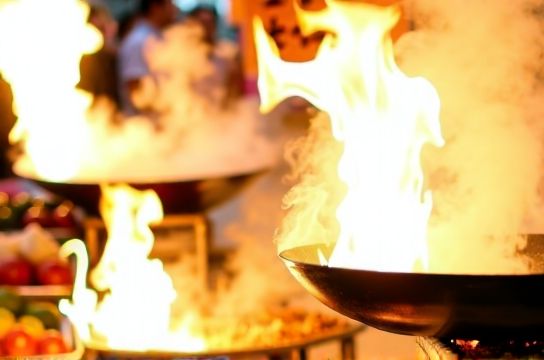
Authentic spots rely on decades-old seasoning in their woks and griddles. That means layers of flavor built up over time — what chefs call ‘wok hei’ (breath of the wok). If the air smells deeply savory, slightly charred, and makes your stomach growl from 20 feet away? You’re in the right place.
Price Points That Make Sense
Real street food is affordable. Below is a quick comparison of average prices in major cities:
| Dish | Beijing (¥) | Shanghai (¥) | Chengdu (¥) | Hong Kong (HK$) |
|---|---|---|---|---|
| Jianbing (savory crepe) | 8–12 | 10–15 | 6–10 | 25–35 |
| Chuanr (spicy lamb skewers) | 3–5 per skewer | 4–6 | 2–3 | 8–12 |
| Xiaolongbao | 15 for 6 pcs | 20 | 12 | 30 |
If a vendor charges double these rates, especially in mainland cities, it’s likely targeting tourists — and sacrificing authenticity.
Follow the Fuel
Traditional street food uses simple, portable heat sources like propane or charcoal. Watch how food is cooked. Flashy electric grills? Red flag. Charcoal braziers with seasoned metal covers? Green light. The old-school methods aren’t just nostalgic — they impact taste.
Language & Interaction
While not a rule, most authentic vendors speak limited English. They don’t need it — their regulars do. If the menu has elaborate English descriptions or QR code audio tours, it might be optimized for visitors, not flavor.
Final Tip: Go Early or Late
Peak dinner hours attract crowds — both local and tourist. But visit a street food market at 7 AM for breakfast jianbing or 11 PM for late-night noodles, and you’ll see where true loyalty lies. Locals eat when they eat, not when the guidebooks say.
In the end, finding authentic Chinese street food comes down to one thing: follow the people, not the promotions.