
How Tea Culture China Shapes Social Gatherings
- Date:
- Views:200
- Source:The Silk Road Echo
If you’ve ever sat down with a Chinese friend and shared a pot of tea, you know it’s about way more than just drinking. In China, tea culture isn’t a trend—it’s a centuries-old social ritual that shapes how people connect, do business, and even resolve conflicts. I’ve spent years diving into this world, from Yunnan’s tea mountains to Shanghai’s modern tearooms, and let me tell you: understanding tea culture in China is key to understanding the heartbeat of Chinese society.
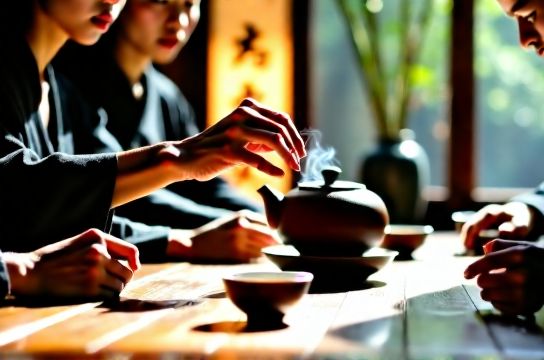
Tea isn’t just a beverage here—it’s a language. A well-poured cup says respect. Sharing a pot builds trust. And skipping tea before a business meeting? That’s like showing up late to a first date. According to a 2023 report by the China Tea Marketing Association, over 78% of urban professionals say they prefer starting meetings with tea rather than coffee or water. That number jumps to 91% in southern provinces like Guangdong and Fujian, where tea rituals are deeply embedded in daily life.
Let’s break down the most common tea types used in social settings and their cultural roles:
| Tea Type | Region | Common Social Use | Caffeine Level |
|---|---|---|---|
| Longjing (Dragon Well) | Zhejiang | Guest welcoming, formal meetings | Medium |
| Oolong (e.g., Tieguanyin) | Fujian | Family gatherings, business negotiations | Medium-High |
| Pu-erh | Yunnan | Digestive aid after meals, aging gift | High |
| Jasmine Tea | Fujian/Guangxi | Casual chats, street-side hangouts | Low-Medium |
See a pattern? Lighter teas like Longjing are for clarity and formality. Bolder ones like Pu-erh signal depth—both in flavor and conversation. And Oolong? It’s the ultimate social bridge. I once watched a tense family dispute dissolve over three rounds of slow-brewed Tieguanyin. No words were shouted—just tea poured, sipped, and respected.
But it’s not just about taste. The act of brewing itself fosters presence. Gongfu tea ceremonies, especially popular in Chaozhou and Taiwan, involve precise water temps, multiple short steeps, and deliberate movements. This isn’t performance—it’s mindfulness in motion. A 2022 study from Fudan University found that participants who engaged in a 20-minute tea ritual reported 34% lower stress levels compared to a control group drinking tea casually.
Now, if you're visiting or doing business in China, here’s a pro tip: never rush the first brew. That initial pour? It’s often discarded—it’s called ‘washing the tea’ and it awakens the leaves. Skipping it shows impatience. Instead, follow your host’s lead. Pour for others before yourself. Use both hands. These small gestures speak volumes.
And don’t underestimate tea as a gift. High-grade Pu-erh cakes can appreciate like fine wine. I’ve seen vintage 1990s bricks sell for over $2,000 at auction. Gifting one? That’s serious respect. For everyday connections, a modest box of Jasmine tea still wins hearts.
In a world speeding up, Chinese tea traditions offer something rare: space to connect. So next time you’re in China, skip the coffee shop. Find a teahouse. Sit. Sip. Listen. You’ll learn more in one pot than a dozen meetings.