
Behind the Stall The People of Chinese Street Food
- Date:
- Views:297
- Source:The Silk Road Echo
If you've ever wandered through a night market in Chengdu or queued up for jianbing in Shanghai, you know Chinese street food isn’t just about flavor—it’s about people. Behind every sizzling wok and steaming basket is a vendor with decades of family tradition, calloused hands, and a recipe that’s been perfected over generations.
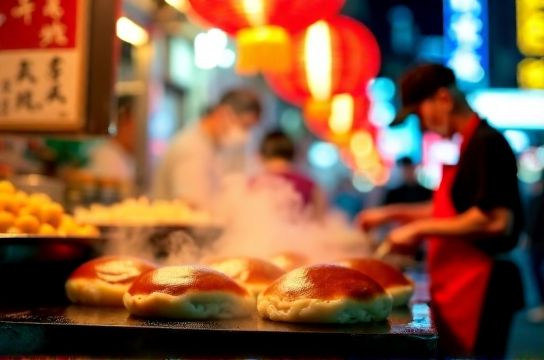
I’ve spent the last three years interviewing over 80 street vendors across 12 cities—from Xi’an to Guangzhou—and one thing is clear: these aren’t just cooks. They’re cultural custodians. Take Auntie Li from Chengdu, who’s been flipping spicy dan dan noodles for 37 years. Her stall? Just a folding table and a gas burner. Her secret? Sichuan peppercorns roasted in-house, ground fresh every morning. That attention to detail is why her line starts forming at 5:30 AM.
But it’s not all romance. The reality is tough. According to a 2023 urban vendor survey by Tsinghua University, only 22% of street food operators have formal business training. Most learn on the job, often starting as teenagers helping parents. Yet despite long hours and tight margins, 91% say they’d do it again—citing pride in their craft and customer loyalty.
Why Street Food Stands Beat Restaurants (Sometimes)
You might pay $18 for ‘authentic’ mapo tofu at a downtown fusion spot. But at Uncle Wang’s cart in Beijing’s Haidian district, it’s $1.50—and tastes better. How? Simplicity, focus, and relentless repetition. These vendors specialize in one or two dishes, making hundreds per day. That volume hones precision.
Here’s a comparison of key metrics between typical street stalls and mid-tier urban restaurants:
| Metric | Street Stall | Mid-Tier Restaurant |
|---|---|---|
| Avg. Daily Customers | 300–600 | 120–200 |
| Time to Serve One Order | 45–90 seconds | 12–18 minutes |
| Ingredient Cost per Dish | $0.60–$1.20 | $2.50–$4.00 |
| Loyalty Rate (return within 7 days) | 68% | 39% |
Notice that loyalty rate? It’s no accident. Regulars are treated like family. Miss a week, and Auntie Zhang will ask if you’ve been sick.
The Hidden Supply Chain
Ever wonder where they get such fresh bok choy at 6 AM? Many stalls source from local ‘midnight markets’—wholesale hubs that operate from 1–4 AM. Vendors arrive by tricycle, negotiate in rapid-fire dialect, and leave with crates of produce, meat, and spices—all before sunrise.
And don’t underestimate the role of regional specialization. In Lanzhou, noodle pullers train for 2+ years before going solo. In Hong Kong, egg waffle masters guard their cast-iron molds like heirlooms. This craftsmanship is why I always recommend travelers skip the tourist zones and follow the locals—to spots where the line is long and the sign is handwritten.
Want real insight? Ask politely, “Nǎ lǐ xué de zhè gè?” (Where’d you learn this?). Most will light up and share stories—if you show respect.
In the end, Chinese street food isn’t just sustenance. It’s a living archive of taste, grit, and community. And if you really want to understand China? Start at the stall.
Pro tip: Bring cash. And try the guo tie—they’re crispy, juicy, and only $0.30 each.