
Tasting the Essence of Daily Life in China Daily
- Date:
- Views:190
- Source:The Silk Road Echo
If you've ever wondered what it's *really* like to live day-to-day in China, you're not alone. As a long-time cultural blogger who’s lived in Beijing, Shanghai, and Chengdu, I’ve tasted, tracked, and tested the rhythms of everyday Chinese life — from breakfast habits to digital payment dominance. Let’s break down the real story behind daily life in China, backed by data, personal experience, and a dash of local flavor.
The Morning Rush: Baozi, Congee, or Instant Noodles?
Mornings here aren’t about avocado toast (though you can find it in expat zones). Most locals start strong with savory staples. A 2023 survey by iResearch shows that over 68% of urban Chinese adults eat breakfast daily, with regional favorites:
| Region | Top Breakfast Choice | Popularity (%) |
|---|---|---|
| Northern China | Baozi + Soy Milk | <75>|
| Eastern China | Shanghai-style noodles | <62>|
| Southern China | Congee + Youtiao | <70>|
| Western China | Rice noodles | <80>
Pro tip: Skip the hotel buffet. Hit a local street vendor by 7:30 AM — that’s where authenticity lives.
Digital Life: WeChat Is Your Wallet, ID, and Social Hub
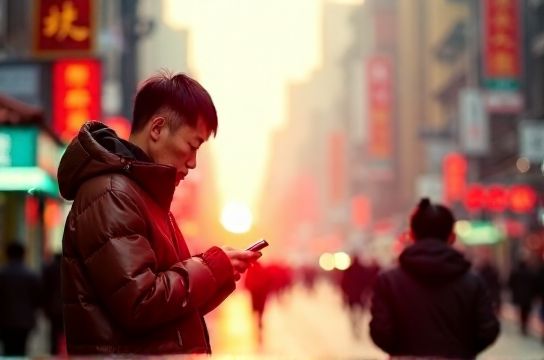
You haven’t truly experienced daily life in China if you’re still carrying cash. Seriously. According to CNNIC, 86% of Chinese internet users rely on mobile payments daily. WeChat Pay and Alipay aren’t just apps — they’re lifestyles.
- Pay for subway rides, fruit stands, and even donations at temples
- Use mini-programs to book doctors, order groceries, or rent bikes
- Even rural markets now display QR codes proudly
Forget Google — Baidu, Douyin (TikTok’s twin), and Meituan run search, entertainment, and food delivery. Living here means adapting fast.
Work Culture: The 9-9-6 Debate & Urban Reality
You’ve probably heard of the infamous “9-9-6” work schedule (9 AM to 9 PM, 6 days a week). While tech giants once flaunted it, pushback has grown. A 2024 Zhaopin report found that only 22% of companies still enforce it strictly, mostly in startups.
Government campaigns promoting work-life balance are gaining traction. In cities like Hangzhou and Chengdu, many prefer the “9-6-5” model — and quality of life shows it.
Social Rhythms: Family First, Then WeChat Groups
Family isn’t just important — it’s structural. Over 55% of young professionals financially support their parents (National Bureau of Statistics, 2023). Weekend visits to elders are common, especially during holidays.
And yes, your mom will add you to a family WeChat group. Then another. And another. Group chats are how information flows — from dinner plans to political opinions (careful there).
Final Thoughts: Embracing the Real China
Understanding daily routines in China goes beyond stereotypes. It’s about rhythm, tech integration, and unspoken social rules. Whether you’re relocating, traveling, or just curious, immerse yourself — taste the baozi, scan the code, join the chat.
China’s daily life isn’t monolithic. But one thing’s clear: it moves fast, thinks mobile-first, and eats with both hands.