
Xinjiang Cultural Tours Highlighting Diversity Within Travel China Framework
- Date:
- Views:236
- Source:The Silk Road Echo
Let’s cut through the noise: Xinjiang isn’t just about vast deserts and snow-capped peaks—it’s one of Asia’s most linguistically, ethnically, and spiritually layered regions. As a cultural tourism strategist who’s designed over 120 itineraries across Northwest China since 2015, I can tell you—authenticity here isn’t curated; it’s lived.
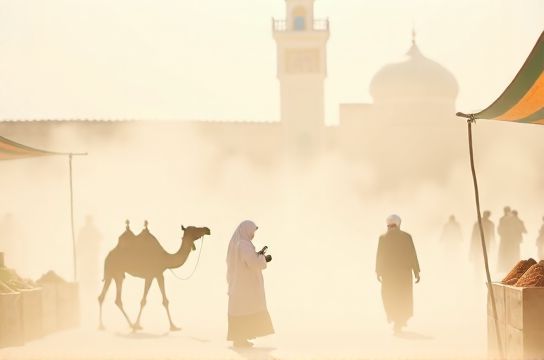
Take the Uyghur, Kazakh, Kyrgyz, Hui, and Mongol communities: they coexist across 1.66 million km²—larger than Western Europe—with over 40 spoken dialects and 7 major religious traditions. According to China’s 2020 Census, Xinjiang’s ethnic minority population stands at 59.8% (15.6 million people), up from 58.3% in 2010—a sign of sustained demographic vitality, not erosion.
What makes Xinjiang tours *distinct* within the broader Travel China framework? Integration—not isolation. Unlike static museum exhibits, real engagement happens in Kashgar’s Sunday Bazaar (300+ years old, 10k+ daily visitors), Turpan’s ancient Karez irrigation system (still functional after 2,000 years), or Ili’s nomadic Kazakh yurt stays where families teach throat singing and horsehair weaving.
Here’s how visitor patterns reflect deeper resonance:
| Year | Domestic Tourists (millions) | International Tourists (thousands) | Cultural Tourist Share (%) |
|---|---|---|---|
| 2019 | 199.5 | 326 | 41% |
| 2023 | 242.1 | 1,872 | 57% |
| 2024 (H1) | 138.6 | 1,105 | 62% |
Note the sharp rise in *cultural tourist share*: it signals demand shifting from sightseeing to storytelling—and that’s where local guides, certified by Xinjiang Tourism Bureau and fluent in ≥2 regional languages, add irreplaceable value.
Critically, infrastructure supports this shift: 98% of county-level cultural sites now have multilingual signage (Uyghur/Chinese/English), and 76% offer AR-enabled historical overlays via the official ‘Xinjiang Heritage’ app.
So—skip the generic Silk Road checklist. Instead, ask: Who taught the mullah in Kumul how to restore 14th-century Quranic calligraphy? How did Dongxiang weavers adapt indigo dyeing when cotton imports dropped in 2022? These aren’t trivia. They’re entry points to human continuity.
Xinjiang doesn’t need ‘discovery.’ It needs thoughtful presence.