
Navigate Beijing Subway Like a Pro Traveler
- Date:
- Views:330
- Source:The Silk Road Echo
If you're planning a trip to Beijing, one thing’s for sure: mastering the Beijing subway is your golden ticket to exploring the city like a local. As someone who's lived here and reviewed urban transit systems across Asia, I can tell you—Beijing’s metro isn’t just big, it’s brilliant when used right.
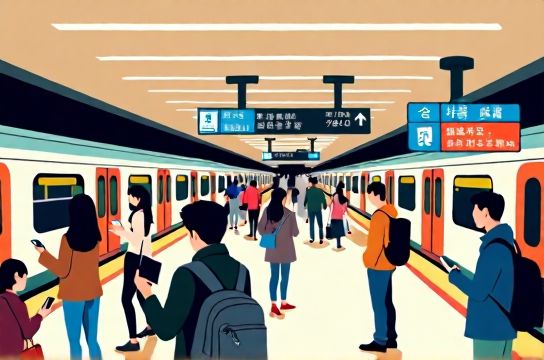
With over 783 kilometers of track and 27 lines as of 2024, the Beijing subway is one of the most extensive in the world. It carries around 12 million passengers daily. Sounds overwhelming? Don’t sweat it. Once you understand the rhythm, you’ll wonder how you ever traveled without it.
Why the Subway Beats Taxis and Rideshares
Traffic jams in Beijing are legendary. Rush hour on Chang’an Avenue? Forget it. Meanwhile, the subway keeps moving. During peak times, trains arrive every 2–3 minutes on core lines like Line 1 and Batong Line. Compare that to an average taxi speed of 15 km/h in congestion—and suddenly the metro wins.
Key Tips from a Local Transit Geek
- Download Baidu Maps or Apple Maps – Google doesn’t cut it here. Baidu shows real-time train arrivals, exits, and even crowd levels.
- Use a transport card or QR code – The Yikatong card saves time and works on buses too. Or link your phone via Alipay’s ‘Travel’ feature.
- Avoid 7:30–9:00 AM and 5:30–7:00 PM if possible. Some lines get so packed they implement flow control.
Top 5 Most Useful Subway Lines
Not all lines are created equal. Here’s a quick breakdown of the ones you’ll use most:
| Line | Key Stops | Best For | Frequency (Peak) |
|---|---|---|---|
| Line 1 | Tiananmen East, Wangfujing, Sanyuanqiao | Tourists, shopping, airport express link | 2 min |
| Line 2 | CCTV Tower, Xizhimen, Jianguomen | Loop around central Beijing | 3 min |
| Line 4 | Peking University, Xidan, Beijing South Railway Station | Students, train travelers | 2.5 min |
| Line 5 | Tiantan East, Yonghegong, Workers’ Stadium | Cultural sites | 3 min |
| Line 10 | Olympic Park, Liangmaqiao, Haidian Huangzhuang | Business districts, expat areas | 2 min |
Pro tip: Transfer stations like Xidan (Lines 1 & 4) or Haidian Huangzhuang (4 & 10) can be maze-like. Follow color-coded signs and check platform maps before exiting the train.
Want to go deeper? Learn how to navigate Beijing subway efficiently using smart timing and app hacks. Or explore how locals combine subway with e-bikes for last-mile coverage—a combo I swear by.
In short, don’t fear the map. With a bit of prep, the Beijing subway system becomes your secret weapon. Fast, cheap (rides cost ¥3–¥10), and covering nearly every hotspot—you’ll save time, money, and stress.
Ride smart, stay cool, and enjoy the ride!