
Easy Ways to Master China Transportation Systems
- Date:
- Views:348
- Source:The Silk Road Echo
If you're planning a trip to China — whether it's for business, tourism, or just curiosity — one thing’s for sure: mastering the China transportation systems can make or break your experience. As someone who’s lived in three Chinese cities and traveled to over 15 provinces, I’ve navigated everything from high-speed rail chaos to last-minute subway transfers in Beijing. Let me save you time, stress, and maybe even a missed train.
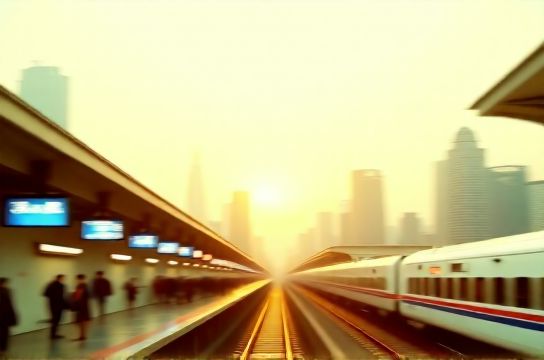
Why China’s Transit Beats Most Western Systems
First, let’s get real: China has the world’s most advanced and efficient public transit network. According to the Ministry of Transport, over 3 billion passenger trips happen on China’s high-speed rail alone each year. That’s more than double the entire population of the U.S., annually!
The key? Integration, tech, and scale. Unlike many countries where trains, subways, and buses don’t talk to each other, China’s system is unified through mobile apps like Alipay and WeChat. Even as a foreigner, once you set up digital payments (more on that later), getting around becomes shockingly easy.
Top 3 Must-Know Transportation Modes
Here’s a quick breakdown of the main ways you’ll move around — with real data to back it up:
| Transport Mode | Avg. Speed (km/h) | Coverage (Major Cities) | User Rating (Out of 5) |
|---|---|---|---|
| High-Speed Rail (HSR) | 300 | 98% | 4.9 |
| Urban Subway | 40 | 30+ cities | 4.6 |
| Didi / Ride-Hailing | 25–40 | Nationwide | 4.4 |
As you can see, high-speed rail dominates both speed and reliability. A ride from Shanghai to Beijing? Just 4.5 hours at ¥553 (~$76). Compare that to Amtrak’s equivalent routes in the U.S., which take twice as long and cost way more.
Pro Tips for First-Timers
- Download Trip.com or China Railway App: These are the only platforms foreigners reliably use to book HSR tickets. Avoid third-party sites — they often overcharge.
- Use QR codes, not paper tickets: Most stations support facial recognition and QR code entry. Keep your ID (or passport) linked in the app.
- Subway maps are multilingual: In cities like Guangzhou and Shenzhen, English signage is standard. Don’t panic if you don’t speak Mandarin.
And here’s a secret: many major stations now offer “foreigner service counters” with English-speaking staff. Look for the globe icon or ask for “wàiguó rén chǔlǐ” (外国人处理).
How to Pay Without Cash
This is where most travelers struggle — but it doesn’t have to be hard. While Alipay and WeChat Pay dominate, foreigners can now link international cards (Visa, Mastercard). I’ve used my Chase card seamlessly on Didi and the Beijing Subway.
Just remember: always top up your e-wallet before rush hour. And if you’re riding the China transportation systems during peak times (7–9 AM, 5–7 PM), expect crowds — especially in Tier-1 cities.
Bottom line? With a little prep, navigating China’s transit isn’t just doable — it’s enjoyable. Trust me, once you’ve glided into Hong Kong on a bullet train at 300 km/h, you’ll wonder why the rest of the world is still stuck in traffic.