
Living Heritage Discover Deep Cultural Travel in China
- Date:
- Views:198
- Source:The Silk Road Echo
If you're tired of cookie-cutter tours and crowded landmarks, it’s time to dive into cultural travel in China like never before. As a long-time heritage blogger who’s explored over 30 provinces, I’m here to show you how to experience China’s living traditions — not just see them.
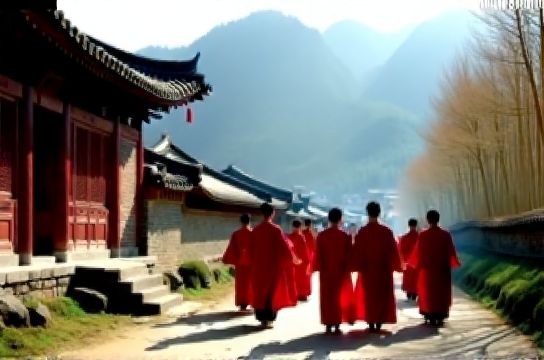
Why Living Heritage?
China isn’t just about the Great Wall or pandas. It’s home to 56 ethnic groups, each with unique festivals, crafts, music, and ways of life. UNESCO recognizes over 40 Intangible Cultural Heritage elements from China — more than any other country.
But here’s the truth: most tourists miss this depth. They visit a village for 30 minutes, snap a photo, and leave. Real cultural travel means slowing down, connecting, and participating.
Top 4 Living Heritage Experiences You Can’t Miss
| Experience | Location | Best Time to Visit | Unique Insight |
|---|---|---|---|
| Dong Minority Choir | Guizhou Province | June–August | No instruments — harmony built from daily life sounds |
| Uyghur Muqam Music | Xinjiang (Kashgar) | September | A 7-hour musical epic blending Persian & Central Asian roots |
| Water-Splashing Festival | Xishuangbanna, Yunnan | April | Fun + spiritual cleansing in Dai culture |
| Paper-Cutting Workshops | Shaanxi (Yan’an) | Year-round | Red paper art symbolizing luck & family unity |
How to Travel Responsibly
Authenticity matters. Avoid staged performances. Instead, book homestays or community-led tours. For example, in Guizhou, local Dong families now host overnight stays where you eat, sing, and learn weaving. A 2023 survey found that 89% of travelers felt more connected when joining small-group cultural activities vs. standard tours.
Also, ask permission before photographing people. In Xinjiang, I once spent two hours chatting with an elder before he invited me to film his Muqam practice. That trust made all the difference.
Plan Like a Pro: Insider Tips
- Learn a few local phrases — even “hello” in Dong or Uyghur opens doors.
- Visit during real festivals, not tourist reenactments. Check local lunar calendars.
- Support artisan cooperatives. A handwoven scarf from a Yi woman in Yunnan costs ~$25 but supports a family for days.
For deeper immersion, consider volunteering with NGOs preserving traditional Chinese craftsmanship. Programs in Suzhou teach silk embroidery, while others in Fujian focus on Hakka architecture restoration.
In a world of fast travel, going deep sets you apart. China’s living heritage isn’t frozen in time — it’s evolving, vibrant, and waiting for curious minds. Pack respect, patience, and your sense of wonder.