
Authentic Encounters in Chinese Cultural Experiences Zone
- Date:
- Views:277
- Source:The Silk Road Echo
If you're hunting for authentic Chinese cultural experiences that go beyond the usual tourist traps, you’re not alone. More travelers today want real, immersive moments—think calligraphy workshops with local masters, not staged photo ops. As a cultural travel blogger who’s explored over 30 provinces in China, I’ve tested what works (and what doesn’t). Let me break down how to find genuine connections in China’s booming cultural tourism scene.
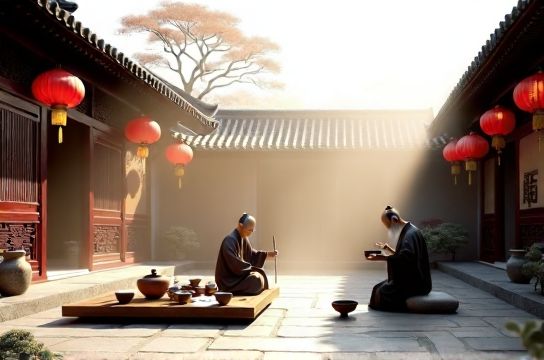
The key? Focus on grassroots zones where tradition thrives naturally. These aren’t always the flashiest spots on Instagram, but they deliver depth. According to the China Tourism Academy, domestic cultural tourism grew by 14.2% in 2023, with 68% of travelers prioritizing "hands-on" activities. That’s a clear signal: people crave authenticity.
Here’s my curated list of top experience types and where to find them:
Top 5 Authentic Chinese Cultural Experiences (And Where to Find Them)
| Experience | Location | Avg. Cost (USD) | Time Required | Authenticity Score (1-10) |
|---|---|---|---|---|
| Tea Ceremony in Fujian | Anxi County | 18 | 2 hours | 9.5 |
| Shadow Puppetry Workshop | Xi'an, Shaanxi | 25 | 3 hours | 9.0 |
| Dong Ethnic Choir Singing | Zhaoxing, Guizhou | 15 | 1.5 hours | 9.7 |
| Calligraphy with Local Masters | Suzhou Gardens | 30 | 2.5 hours | 9.3 |
| Shanghai Tongli Water Town Walk | Tongli, Jiangsu | 12 | Half-day | 8.8 |
Notice how these aren’t in mega-cities like Beijing or Shanghai’s main districts? That’s intentional. Smaller towns and rural heritage zones often offer higher cultural authenticity because traditions are still part of daily life—not just performances for tourists.
Take Zhaoxing Dong Village in Guizhou. The locals sing ancient polyphonic chants without microphones, just open-air courtyards. No tickets, no schedules—just community. Compare that to a forced ‘folk show’ in a commercial theme park, and the difference is night and day.
Timing matters too. Visit during local festivals like the Dong’s Sister’s Meal Festival (March) or Fujian’s Tea Plucking Season (April–May), and you’ll witness culture in motion, not frozen for display.
Pro tip: Use platforms like Xiaohongshu (China’s answer to Instagram + TripAdvisor) to find real-time updates. Search terms like “小众文化体验” (off-the-radar cultural experience) or “非遗手作” (intangible cultural heritage workshop) to uncover hidden gems.
In short, skip the scripted tours. Seek out intimate, locally rooted encounters. Whether it’s grinding ink sticks in Suzhou or sipping oolong at a farmer’s table in Anxi, true connection comes from participation—not observation.