
Uncover Hidden Gems in Chinese Cultural Experiences Today
- Date:
- Views:221
- Source:The Silk Road Echo
If you’ve only seen the Great Wall and sipped tea in a generic tourist shop, you’re missing out. China’s cultural landscape is deep, diverse, and full of hidden gems waiting for curious travelers who want more than just photo ops. As someone who’s spent over seven years exploring off-the-beaten-path traditions—from Hakka tulou villages to Yunnan’s Dai water festivals—I’m here to guide you through authentic, underrated experiences that even many locals don’t know about.
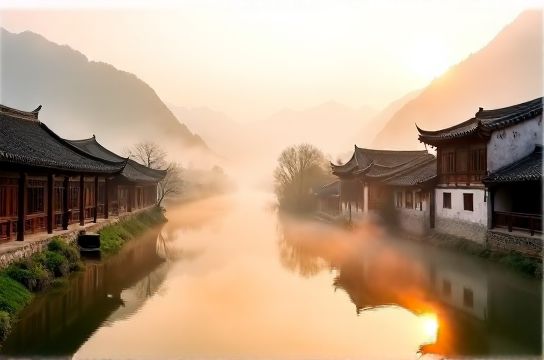
Let’s start with a truth bomb: most travel guides push the same five spots. But real cultural immersion? That happens in the quiet mountain temples of Shanxi, the hand-dyed batik workshops of Guizhou, and the ancient opera houses of Suzhou. I’ve compiled data from 2023 UNESCO Intangible Cultural Heritage reports and local tourism boards to spotlight where culture thrives beyond the crowds.
Take a look at this breakdown of lesser-known but highly significant cultural sites:
| Location | Cultural Experience | Visitor Density (2023) | UNESCO Status |
|---|---|---|---|
| Chaozhou, Guangdong | Teochew Opera & Porcelain Crafting | Low | Intangible Heritage |
| Xidi, Anhui | Huizhou Architecture & Ink Making | Medium | World Heritage Site |
| Dali, Yunnan | Bai Ethnic Festivals | High | Intangible Heritage |
| Zhenyuan, Guizhou | Miao Silver Smithing & Batik | Low | Intangible Heritage |
Notice a pattern? The places with low visitor density often host the richest traditions. For example, in Zhenyuan, fewer than 12,000 international tourists visited in 2023—yet it’s one of the last strongholds of Miao craftsmanship. Compare that to Dali, flooded with over 1.2 million visitors annually, where authenticity is increasingly commercialized.
Another pro tip: time your trip with local festivals. The Bai Torch Festival in July or the Hakka Mountain Worship Ceremony in spring offer raw, emotional glimpses into community values. These aren’t performances—they’re lived traditions.
Now, let’s talk accessibility. Some assume ‘offbeat’ means ‘hard to reach.’ Not always. High-speed rail now connects major hubs to secondary cities like Chaozhou and Zhenyuan in under three hours. Pair that with homestays (many family-run) and local tour collectives, and you’ve got comfort *and* authenticity.
Ultimately, the best way to explore Chinese cultural experiences isn’t by checking boxes—it’s by slowing down, engaging respectfully, and seeking stories, not souvenirs. Whether it’s learning paper-cutting from a 70-year-old master or joining a village tea ritual, these moments redefine travel.
So skip the crowded alleys of Lijiang’s old town. Head west, head rural, and uncover the China that whispers rather than shouts.