
Journey into Deep Cultural Travel Across Rural China
- Date:
- Views:284
- Source:The Silk Road Echo
If you're tired of cookie-cutter tours and overcrowded hotspots, it’s time to dive into deep cultural travel across rural China. Forget the Great Wall selfies—real magic happens in remote villages where traditions haven’t changed in centuries.
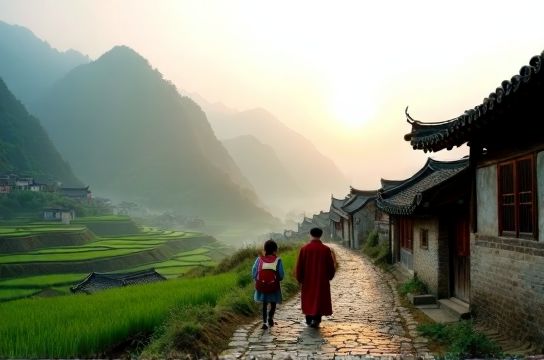
I’ve spent over five years exploring China’s countryside—from Yunnan’s terraced hills to Guizhou’s侗 (Dong) drum towers. What I’ve learned? Authenticity isn’t found in brochures; it’s shared over rice wine with a local elder who’s never left her village.
Why Rural China?
While 60 million tourists visit Beijing annually, fewer than 2% venture into rural regions. Yet, these areas hold 80% of China’s ethnic diversity. The government reports over 140 traditional villages are now protected as cultural heritage sites—but many still fly under the radar.
Traveling here isn’t just rewarding—it supports communities directly. A study by the China Tourism Academy found that homestays in rural areas increase household income by up to 300%, reducing urban migration among youth.
Top 5 Regions for Deep Cultural Immersion
Not all villages are created equal. Here’s where to go—and what to expect:
| Region | Key Ethnic Group | Cultural Highlight | Best Time to Visit |
|---|---|---|---|
| Guizhou (Zhaoxing) | Dong | Drum towers & polyphonic singing | May–September |
| Yunnan (Yuanyang) | Hani | Rice terraces & solar calendar | December–April |
| Sichuan (Jiuzhaigou Valley outskirts) | Tibetan | Buddhist rituals & prayer flags | September–November |
| Guangxi (Longsheng) | Zhuang | Dragon worship & red rice farming | March–June |
| Shaanxi (Ansai County) | Loess Plateau Han | Folk paper-cutting & waist drum dance | October–December |
Pro tip: Avoid national holidays like Golden Week. You’ll compete with 700 million domestic travelers. Instead, aim for shoulder seasons when locals celebrate lesser-known festivals—like the Dong’s New Rice Festival in August.
How to Travel Responsibly
Deep cultural travel across rural China isn’t about taking photos and leaving. It’s about connection. Always ask permission before photographing people. Learn a few phrases in the local dialect—Mandarin won’t cut it everywhere.
Stay in family-run guesthouses. In Zhaoxing, a night costs ~¥180 ($25), including meals and a singing performance. Compare that to ¥800+ in a city hotel—with zero cultural exchange.
And please, don’t treat villagers like zoo exhibits. One traveler told me they wanted to ‘see how poor people live.’ Hard pass. This isn’t poverty tourism—it’s human-to-human storytelling.
Final Thoughts
Rural China isn’t easy. Roads are bumpy, Wi-Fi is spotty, and menus are… confusing. But that’s the point. If you crave realness, this is your playground.
Ready to step off the beaten path? Check out our guide to authentic rural experiences in China and start planning your journey today.