
Deep Cultural Travel to China's Hidden Heritage
- Date:
- Views:272
- Source:The Silk Road Echo
Think China’s just about the Great Wall and pandas? Think again. Beyond the postcard spots lies a treasure chest of forgotten temples, ancient villages, and living traditions that most tourists never see. Welcome to deep cultural travel — where history breathes, locals share stories over tea, and every stone has a soul.
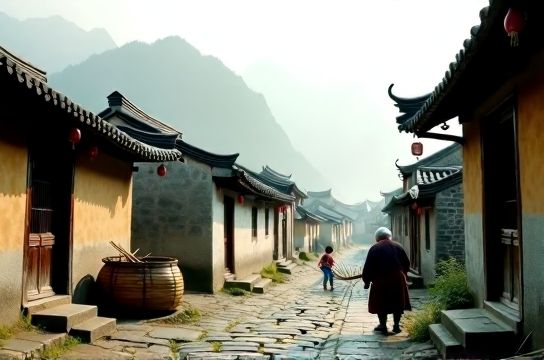
Why Go Beyond the Brochures?
Mainstream tourism hits Beijing, Shanghai, and Xi’an hard — and fast. But in 2023, only 18% of international visitors ventured into China’s rural heritage zones (UNWTO). That means 82% missed out on places like Dali’s Bai minority courtyards, the Tibetan sky burials of Yushu, or the 1,000-year-old Hakka tulou homes.
Real cultural depth isn’t found in queues — it’s in quiet moments: helping a village elder press tofu, learning calligraphy from a monk in a mountain monastery, or joining a Dong族 (Dong ethnic group) choir under starlight.
Top 3 Off-the-Radar Cultural Gems
1. Xidi & Hongcun, Anhui – Ming Dynasty Dreamscape
Nestled in misty Huangshan foothills, these UNESCO-listed villages are straight out of a scroll painting. Built by merchant families in the 14th century, their layout follows feng shui principles so precise, even the waterways mirror the night sky.
2. Pingyao Ancient City, Shanxi – Time Capsule of Imperial Finance
Once home to China’s first banks (called piaohao), Pingyao’s 2.2-km wall encloses 400 restored courtyard homes. Walk its cobblestones and you’re stepping through Qing-era capitalism.
3. Danba’s Towers, Sichuan – The Land of Queens
This remote valley is dotted with 200+ 15-meter stone towers built by the Jiarong Tibetan people. Locals say they were raised by queens — hence the nickname 'Queen’s Valley'.
Cultural Immersion vs. Tourist Tropes
Let’s break it down — what’s the real difference?
| Surface Tourism | Deep Cultural Travel |
|---|---|
| Visit the Forbidden City in 90 mins | Spend a day with a historian decoding imperial symbolism |
| Eat Peking duck at a chain restaurant | Join a family kitchen in Xi’an making hand-pulled biangbiang noodles |
| Buy mass-produced souvenirs | Learn batik dyeing from Miao artisans in Guizhou |
How to Travel Deeper (Without Being Intrusive)
- Travel slow: Spend 4+ days in one region. Rushing kills connection.
- Go local: Stay in family-run guesthouses (try minsu in Chinese). In 2024, over 12,000 rural homestays opened — many offering tea ceremonies, cooking classes, or farm work.
- Ask permission: Before photographing rituals or elders, a smile and nod go far. Respect > clicks.
- Learn 5 key phrases: 'Nǐ hǎo' (hello), 'Xièxie' (thank you), 'Zhè ge zěnme shuō?' (How do you say this?) — effort earns trust.
China’s hidden heritage isn’t just preserved in museums — it lives in gestures, flavors, and silence. So skip the selfie sticks. Pack curiosity instead. Because the real Middle Kingdom? It’s whispering in alleyways, not shouting on billboards.