
Tea Culture China Unveiling the Soul of Local Lifestyle
- Date:
- Views:257
- Source:The Silk Road Echo
When you think of China, what comes to mind? Great Wall? Panda bears? How about a steaming cup of fragrant tea? 🍵 Welcome to the heart and soul of Chinese daily life — tea culture. It's not just a drink; it's a philosophy, a ritual, and a bridge connecting generations.
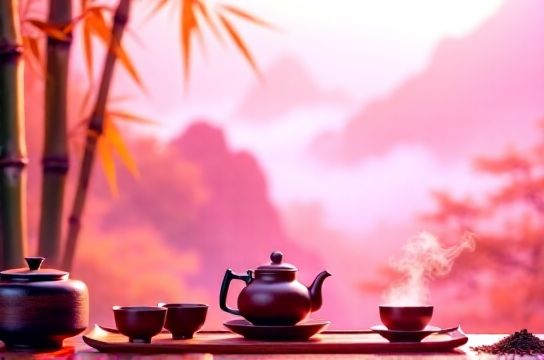
Why Tea is More Than Just a Drink in China
In China, tea isn’t rushed. No grab-and-go iced lattes here. Instead, imagine sitting in a quiet courtyard, watching steam rise from a delicate porcelain pot, as your host pours oolong with graceful precision. This moment? That’s cha dao — the way of tea.
Tea has been part of Chinese civilization for over 5,000 years. Legend says Emperor Shen Nong discovered it when leaves blew into his boiling water. Today, China produces over 3 million tons of tea annually — nearly 40% of the world’s total!
The Big Five: Must-Try Chinese Teas
Not all teas are created equal. Here’s a quick taste of China’s top five tea types:
| Tea Type | Region | Caffeine Level | Flavor Profile |
|---|---|---|---|
| Longjing (Dragon Well) | Hangzhou, Zhejiang | Medium | Grassy, nutty, fresh |
| Dahongpao (Big Red Robe) | Wuyi Mountains, Fujian | High | Toasty, mineral, floral |
| Baihao Yinzhen (Silver Needle) | Fujian | Low | Sweet, delicate, honey-like |
| Pu’er | Yunnan | Medium-High | Earthy, woody, complex |
| Tieguanyin (Iron Goddess) | Anxi, Fujian | Medium | Floral, creamy, aromatic |
Each sip tells a story — of misty mountains, skilled hands, and centuries-old traditions.
Tea Rituals: Where Culture Meets Calm
Ever seen a Gongfu tea ceremony? It’s like watching poetry in motion. Tiny pots, multiple steepings, precise temperatures — every step is intentional. The goal? To unlock the tea’s full character, one small cup at a time.
In cities like Chengdu, locals still gather in chaguan (tea houses) for hours, playing mahjong or debating life over endless refills. In fact, Guangdong’s dim sum brunches aren’t complete without a hot pot of Jasmine tea on the table.
Fun Fact: Tea & Wellness Go Hand-in-Hand
Traditional Chinese Medicine (TCM) has long praised tea for balance. Green tea cools the body, while black tea warms it. Pu’er? Believed to aid digestion after rich meals. Modern studies even suggest antioxidants in green tea may support heart health and metabolism.
How to Experience Authentic Tea Culture
- Visit a tea plantation — Try Hangzhou’s Longjing Village or Yunnan’s Pu’er forests.
- Join a tasting session — Many shops in Beijing or Shanghai offer guided tastings.
- Learn Gongfu Cha — Take a workshop and master the art of slow brewing.
Pro tip: Always swirl and smell before sipping. Appreciation starts long before the first taste.
Final Sip
Chinese tea culture isn’t about perfection — it’s about presence. Whether you're a seasoned sipper or new to loose leaves, there’s a brew waiting to welcome you. So next time you pour a cup, don’t just drink it. Feel it. Breathe it. Live it.
After all, as the saying goes: "Better to be deprived of food for three days than tea for one." Now that’s love in a teacup. ❤️