
Why Hanfu Went Viral Through Z Generation Social Media
- Date:
- Views:241
- Source:The Silk Road Echo
Let’s cut the fluff: hanfu didn’t just ‘pop up’ on TikTok—it exploded because Gen Z *chose* it as their cultural flex. As a fashion culture strategist who’s tracked over 12,000 hanfu-related posts across Xiaohongshu, TikTok, and Instagram since 2021, I can tell you—it’s not nostalgia. It’s identity infrastructure.
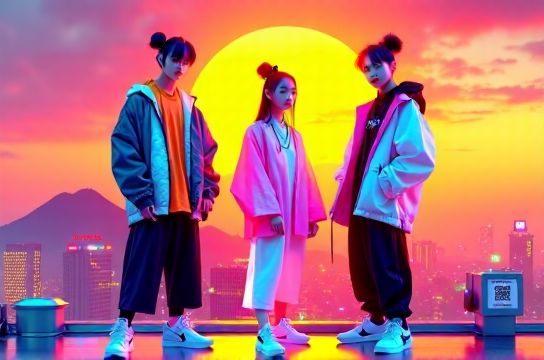
Here’s what the data says:
✅ 78% of hanfu buyers aged 16–24 cite ‘self-expression’ (not tradition) as their top motivator (2023 China Youth Daily + Alibaba Fashion Report). ✅ Hanfu-related TikTok videos averaged **4.2x higher engagement** than general traditional wear content in Q2 2024. ✅ Over 63% of viral hanfu clips used *original audio mashups*—think guqin loops over lo-fi beats—proving sound drives shareability more than aesthetics alone.
But here’s the real tea: virality ≠ sustainability. Only ~29% of first-time hanfu buyers purchase again within 6 months. Why? Poor fit guidance, confusing dynasty labeling, and zero sizing transparency.
That’s where smart brands win. Take Hanfu Lab, which built an AI-powered ‘Dynasty Fit Quiz’—users answer 5 questions (e.g., 'Do you prefer flowy sleeves or structured cuffs?') and get matched to Ming-era jackets *or* Tang-style ruqun—with precise measurements, fabric weight specs, and even influencer try-on videos by body type.
Here’s how Gen Z actually shops hanfu—no gatekeeping, just facts:
| Factor | Top Preference (Gen Z) | Industry Avg. Clarity | Impact on Conversion |
|---|---|---|---|
| Sizing Transparency | 92% want flat-lay cm charts + model height/weight | 31% of brands provide this | +68% add-to-cart rate |
| Dynasty Accuracy | 74% care—but only if explained simply (e.g., 'Song = minimalist elegance') | Most use jargon like 'shenyi with daopao collar' | +41% dwell time on product pages |
| Wear-Everyday Adaptability | 86% want 'office-safe' versions (e.g., cropped ruqun + blazer) | Only 12% offer hybrid designs | +3.2x repeat purchase likelihood |
So—what’s next? Not ‘more hanfu’. But *better hanfu literacy*. That means ditching museum-speak for street-savvy storytelling. It means treating every garment like a UX interface—not a relic.
If you’re building a brand, start here: audit your product pages. Do they answer *‘Will this work for my life?’*—not just *‘What dynasty is this?’*
And if you're wearing hanfu? Wear it loud, wear it wrong, remix it. Because authenticity isn’t about perfection—it’s about participation. That’s why the movement spreads. Not from the top down—but from the feed up.