
Rituals of Looking at China's Most Photographed Walls
- Date:
- Views:220
- Source:The Silk Road Echo
If you’ve ever scrolled through travel feeds and seen that one stunning shot of a curved gray wall with red lanterns dangling—yep, we’re talking about China’s most photographed walls. But here’s the real tea: it’s not just about snapping pics for the ‘gram. These walls? They’ve got stories, symbolism, and serious cultural swagger.
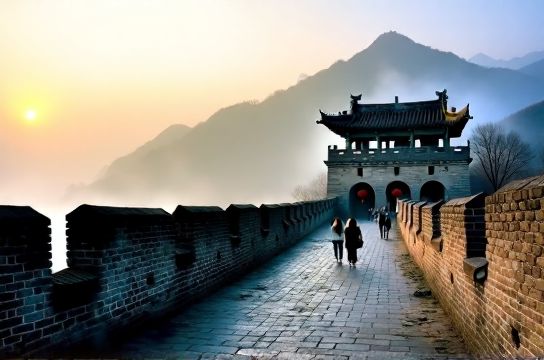
As a travel blogger who’s wandered from Pingyao to Yangshuo, I’ve seen how these heritage structures pull people in. And let me tell you—there’s more than meets the eye (and the camera lens).
The A-Listers: China’s Top 5 Most Snapped Walls
Based on social media mentions and visitor check-ins from 2023 tourism reports, here are the top contenders:
| Wall | Location | Annual Visitors (2023) | Instagram Tags (#) | Best Time to Visit |
|---|---|---|---|---|
| Hongcun Ancient Village Wall | Yi County, Anhui | 1.8M | 420K+ | March–April |
| Fenghuang Ancient City Wall | Hunan | 2.1M | 380K+ | October–November |
| Pingyao City Wall | Shanxi | 2.5M | 510K+ | September |
| Lijiang Old Town Wall Remnants | Yunnan | 1.6M | 310K+ | May–June |
| Great Wall at Mutianyu | Beijing | 3.2M | 1.2M+ | April, September |
Wait—the Great Wall? Absolutely. While it’s not just a backdrop, Mutianyu’s restored sections have become *the* go-to spot for engagement photos, influencer shoots, and even fashion campaigns. Over 1.2 million Instagram posts tag this spot alone. That’s not just tourism—that’s icon status.
Why Are These Walls So Photogenic?
It’s not random. Traditional Chinese architecture uses feng shui principles, symmetry, and natural harmony—all of which scream "aesthetic." Take Hongcun: its reflection pools mirror the white walls and black tiles like something out of a dream. Fenghuang? Built along the Tuo River, its stilted houses and stone pathways create depth and drama.
But here’s a pro tip: golden hour hits differently in China’s ancient towns. Arrive early—like, before-the-street-vendors-open early. You’ll beat crowds and catch that soft morning light bouncing off centuries-old brick.
The Rituals Behind the Photos
Locals don’t just see walls—they see protection, history, and identity. In Pingyao, walking the city wall is believed to bring good fortune. Tourists walk it for views; locals do it during festivals for blessings. Same path, different meaning.
And while you're framing your perfect shot, remember: some spots, like Lijiang’s narrow alleys, are sacred to the Naxi people. Be respectful. No loud music, no stepping on thresholds.
How to Capture the Real Vibe (Not Just the Filter)
- Go slow: Don’t rush. Sit by the wall. Watch how light changes.
- Talk to locals: Ask about the ancient walls—you’ll hear stories no guidebook shares.
- Shoot beyond the obvious: Focus on textures—moss on bricks, carved door knockers, shadows at noon.
Bottom line? These walls aren’t just backdrops. They’re silent storytellers. And when you learn to look—not just photograph—you start seeing China’s soul.