
When Tradition Goes Viral The Case of Chinese Labels
- Date:
- Views:248
- Source:The Silk Road Echo
If you’ve scrolled through TikTok or Instagram lately, you might’ve noticed something unexpected—ancient Chinese characters popping up on streetwear, luxury bags, and even sneakers. No, it’s not a glitch. It’s the rise of Chinese labels going viral in global fashion. And honestly? It’s more than just aesthetics—it’s cultural storytelling meeting digital virality.
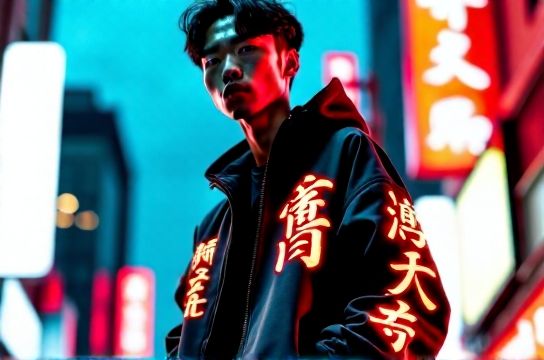
Why Chinese Characters Are Trending in Streetwear
The secret sauce? Authenticity with an edge. While Western brands once relied on dragons and lanterns for ‘Asian vibes,’ today’s consumers want real meaning. That’s where Chinese character fashion steps in—not just as decoration, but as identity.
Take the word “勇” (yǒng), meaning 'courage.' It exploded after appearing on protest-inspired tees in Hong Kong and was later adopted by global influencers. Or “潮” (cháo), translating to 'trendy' or 'tide,' now a staple in youth-centric urban wear lines.
Data Doesn’t Lie: The Market Shift
According to Statista, the global market for culturally inspired apparel grew by 14% in 2023, with East Asian motifs leading the pack. In a McKinsey consumer survey, 68% of Gen Z buyers said they’re more likely to purchase clothing with meaningful text—especially in non-Latin scripts.
| Motif Type | YoY Growth (2023) | Top Regions |
|---|---|---|
| Chinese Characters | 22% | USA, Japan, UK |
| Japanese Kanji | 15% | Germany, Australia |
| Korean Hangul | 11% | Canada, France |
As you can see, Chinese labels aren’t just holding their own—they’re outpacing others. Why? Because they carry weight. Each character is a mini-story, often rooted in philosophy, poetry, or history.
How Brands Are Nailing (and Failing) the Trend
Success comes from respect. Brands like C-Label Studio and Wu Wear collaborate with native calligraphers and linguists to avoid missteps. On the flip side, fast-fashion giants have faced backlash—remember when a major retailer sold shirts with “打工” (dǎ gōng, 'working for wages') as a 'cool slogan'? Not so cool when it’s a term tied to worker struggles.
Pro Tips for Using Chinese Labels Right
- Context is king: Know what the character means—and how it’s used colloquially.
- Font matters: A Song-style script feels scholarly; a graffiti-inspired one screams urban edge. Match the vibe.
- Placement = Power: Chest prints are bold. Sleeve or collar details? Subtle flex. Choose wisely.
And if you're building a brand around this trend, consider linking your designs to stories. One indie label saw a 40% boost in conversion by adding QR codes that explain the character’s origin. Genius? Absolutely.
The Future Is Bilingual
Viral moments fade. But culture? That sticks. As globalization meets digital expression, authentic Chinese typography isn't just a trend—it's the next chapter in inclusive design. Whether you're a designer, marketer, or just a fan of fresh style, now’s the time to understand the message behind the character.
So next time you see “酷” (kù) on a hoodie, remember: it’s not just 'cool.' It’s culture, coded.