
Architecture as Content in China's Cityscapes
- Date:
- Views:228
- Source:The Silk Road Echo
If you’ve walked through Shanghai’s skyline or strolled around Beijing’s hutongs, you’ve already experienced how architecture as content shapes urban identity. But here’s the twist: in China, buildings aren’t just structures — they’re stories, power statements, and even marketing tools.
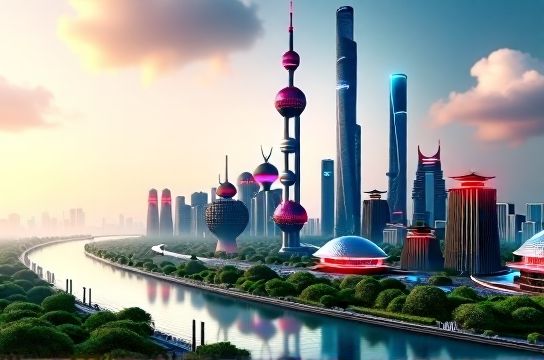
I’ve spent years analyzing urban design across 12 Chinese cities, and one trend stands out: architecture is no longer just about function or form. It’s about meaning. Developers, governments, and brands are treating skyscrapers and cultural centers like social media content — designed to go viral, attract investment, and redefine city branding.
Why Architecture = Content in Modern China
In cities like Shenzhen and Hangzhou, landmark buildings are engineered for Instagram shares. Take the CCTV Headquarters in Beijing — that gravity-defying loop isn’t just bold design; it’s a statement of media power. Similarly, Guangzhou’s Opera House, with its pebble-like curves, pulls over 2 million visitors annually — not just for performances, but for photos.
Data shows a direct link between iconic architecture and economic impact:
| Building | City | Annual Visitors (est.) | Economic Uplift (Local Businesses, USD) |
|---|---|---|---|
| Shanghai Tower | Shanghai | 3.5 million | $280 million |
| Guangzhou Opera House | Guangzhou | 2.1 million | $160 million |
| Nanjing Green Dragon Bridge | Nanjing | 1.8 million | $95 million |
This isn’t accidental. Urban planners now work with digital marketers to ensure new developments are ‘camera-ready’ by design — think reflective surfaces, dramatic lighting, and unique silhouettes visible from drones.
From Function to Fame: The New Design Criteria
Gone are the days when safety and cost ruled. Today’s top architectural projects in China prioritize:
- Shareability: Does it look striking on WeChat or Xiaohongshu?
- Social utility: Can it host pop-ups, art walks, or AR experiences?
- Brand alignment: Does it reflect the city’s ‘personality’? (See: tech-forward Xiong’an vs. heritage-rich Xi’an)
Even residential towers now come with sky gardens and glass-bottom pools — not because people use them daily, but because they sell units. A 2023 survey found that 67% of luxury buyers in Tier-1 cities cited ‘architectural uniqueness’ as a deciding factor.
The Risks of Over-Designing Cities
But here’s my concern: when every building tries to be a landmark, none stand out. Some cities are hitting ‘icon fatigue’. Plus, prioritizing aesthetics over livability can backfire — like poorly insulated glass towers that spike energy costs.
The smart move? Balance. Chengdu nails this. Its Tianfu Cultural Park blends modern pavilions with open green space, creating both visual appeal and community value. Result? 40% higher foot traffic than similar districts — and sustained local business growth.
Looking ahead, I predict the next wave won’t be about taller towers, but smarter integration: buildings that generate energy, collect data, and evolve with public needs. Because in China’s urban playbook, architecture isn’t just content — it’s conversation.