
Color Symbolism in China's Trending Outfits
- Date:
- Views:252
- Source:The Silk Road Echo
If you’ve been scrolling through Chinese fashion feeds lately, you’ve probably noticed something deeper than just stylish fits — there’s a story behind the colors. In China, what you wear isn’t just about aesthetics; it’s about meaning, luck, and cultural identity. As a lifestyle blogger who’s been diving into Sino-fashion trends for over five years, I’m breaking down how color symbolism is shaping 2024’s most viral outfits.
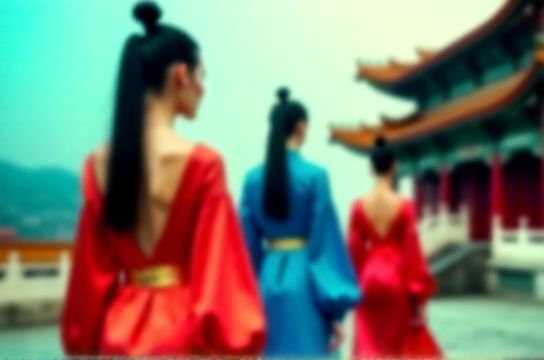
Red isn’t just a shade here — it’s a statement. Traditionally tied to prosperity and joy, red dominates festivals and weddings. But now, it’s making waves in streetwear. According to a 2023 Alibaba Fashion Report, red-based apparel sales jumped by 37% year-over-year, with Gen Z driving 68% of that demand. Why? It’s bold, confident, and deeply rooted in national pride.
But red isn’t alone. Designers are blending symbolic hues with modern cuts. Take ‘lucky gold’ — historically linked to wealth — now appearing in minimalist accessories. Or pink, which younger crowds embrace not just for its cuteness but as a symbol of optimism and emotional openness.
Here’s a quick breakdown of trending colors and their cultural meanings:
| Color | Symbolic Meaning | Popularity Index (2024) | Fashion Use Case |
|---|---|---|---|
| Red | Good fortune, energy | 9.8/10 | Streetwear, wedding wear |
| Gold | Wealth, success | 8.5/10 | Accessories, embroidery |
| Pink | Youth, affection | 8.7/10 | Casual wear, sneakers |
| Black | Power, elegance | 9.1/10 | Office wear, luxury lines |
| Green | Harmony, health | 7.6/10 | Eco-friendly collections |
One thing I’ve learned from interviewing designers in Shanghai and Hangzhou: intentionality sells. Brands like Pronounce and Particle Fever aren’t just picking colors at random — they’re weaving cultural narratives into every thread. For example, during Lunar New Year campaigns, limited-edition red hoodies outsell standard versions by up to 3x, even at premium price points.
Of course, not all symbolism translates perfectly. While white means purity in Western fashion, in China it’s traditionally associated with mourning — so you won’t see bridal whites dominating the scene. Instead, blush silk or embroidered red gowns reign supreme.
The takeaway? If you're building a wardrobe inspired by Chinese fashion — or launching a product line targeting this market — don’t overlook the psychology of color symbolism. It’s not just visual appeal; it’s emotional resonance. And in a crowded digital marketplace, that connection is everything.