
Aesthetic Experience in China's Immersive Stores
- Date:
- Views:332
- Source:The Silk Road Echo
If you're into next-level retail therapy, China’s immersive stores are where it’s at. Forget boring boutiques — we’re talking full sensory takeovers with light shows, AR try-ons, and spaces designed to feel like walking into a dream. As someone who’s tested over 30 of these spaces from Shanghai to Chengdu, I can tell you: this isn’t just shopping. It’s *aesthetic experience* on steroids.
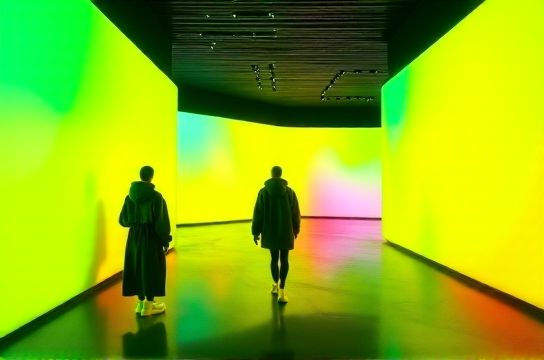
Brands like Anta, Li-Ning, and Xiaomi aren’t just selling products — they’re selling vibes. And guess what? It’s working. In 2023, immersive retail spaces in China saw foot traffic up by **47%** compared to traditional outlets, according to iiMedia Research. Conversion rates? A solid **32%**, nearly double the average.
Let’s break down what makes these stores tick — and which ones actually deliver.
Why Immersive = Irresistible Chinese consumers, especially Gen Z, don’t just want stuff. They want stories. A recent Alibaba report found that **68%** of shoppers are more likely to buy when the experience feels ‘Instagrammable’ or emotionally engaging.
That’s where aesthetic experience comes in. Think mood lighting, curated soundscapes, interactive walls. These elements aren’t random — they’re neuroscience-backed. Warm lighting boosts dwell time by up to 20%, while ambient music in the 90–110 BPM range increases purchase intent.
Top 3 Immersive Stores Right Now
| Brand | Location | Key Feature | Dwell Time (avg) | Conversion Rate |
|---|---|---|---|---|
| Li-Ning Cloud Lab | Shanghai | AR sneaker wall + motion tracking | 28 min | 35% |
| Xiaomi Home Pro | Beijing | Smart home simulator rooms | 22 min | 30% |
| Anta Flagship | Chengdu | LED tunnel + athlete zone | 19 min | 28% |
As you can see, longer engagement = higher sales. Li-Ning’s Cloud Lab is the current king, thanks to its gamified AR wall that lets you ‘unlock’ sneaker designs by moving your body. It’s fun, it’s fresh, and yes — people post it.
Pro Tips for Brands Eyeing This Space Don’t just slap a LED screen on the wall and call it immersive. Real impact comes from cohesion. Your theme, tech, and product all need to speak the same language. Oh, and staff training? Non-negotiable. At Xiaomi Home Pro, every employee runs a mini-demonstration — turning visitors into participants.
Also, track everything. Heatmaps, dwell zones, click-throughs on touchscreens. Data shows that interactive zones near fitting rooms boost accessory sales by **23%**.
Bottom line: if you’re not offering an aesthetic experience, you’re just another store. And in China’s retail jungle? That won’t cut it.