
Aesthetic Evolution in China's Online Communities
- Date:
- Views:338
- Source:The Silk Road Echo
If you've scrolled through Chinese social media lately — think Little Red Book (Xiaohongshu), Weibo, or even Douyin — you’ve probably noticed how fast aesthetics are changing. It’s not just about looking good anymore; it’s about signaling identity, values, and even political stance through visuals. As someone who’s been analyzing digital culture in China for over five years, I can tell you: the aesthetic evolution here isn’t random — it’s strategic, cultural, and deeply tied to youth behavior.
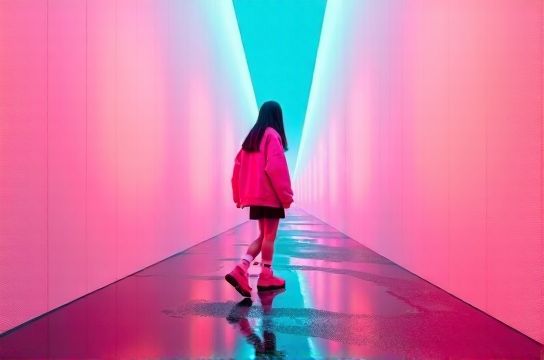
The Rise of ‘New Aesthetics’
Gone are the days when beauty meant porcelain skin and filtered selfies. Today, we’re seeing a shift toward authenticity-driven visuals. According to a 2023 report by QuestMobile, Xiaohongshu now has over 300 million monthly active users, with 75% under the age of 30. These users aren’t just consumers — they’re curators.
Take the rise of 'Tang Dynasty Chic' or 'Old Beijing Cool' — retro-inspired styles blending vintage Mao-era elements with modern streetwear. Or the popularity of 'Countryside Pastoral' aesthetics, where influencers post serene farm-life content shot on vintage film filters. These trends reflect deeper societal shifts: urban fatigue, nostalgia, and a desire for slower living.
Data Doesn’t Lie: Trend Breakdown (2022–2024)
| Trend Style | YoY Growth (Search Volume) | Top Platform | Main Audience |
|---|---|---|---|
| Countryside Pastoral | +189% | Xiaohongshu | Urban millennials |
| Tang Dynasty Chic | +142% | Douyin | Gen Z |
| White-collar Minimalism | +67% | WeChat Channels | Professionals 28–35 |
| Dark Academia China | +210% | Bilibili | Students & creatives |
This data shows that niche aesthetics are growing faster than mainstream ones. Why? Because young Chinese netizens crave differentiation. They don’t want to look like everyone else — they want to belong to a subculture.
Why This Matters for Brands
If you're marketing in China, ignoring these micro-aesthetics is a mistake. A 2024 McKinsey study found that 68% of Chinese consumers say visual storytelling influences purchase decisions more than celebrity endorsements. That means your product shots, influencer collabs, and even color palettes need to align with current vibes.
For example, brands like Peacebird have nailed this by partnering with underground calligraphy artists and using ink-wash animations in their ads. Meanwhile, international labels still relying on glossy studio shoots are losing relevance.
How to Keep Up
My advice? Monitor keyword clusters on Xiaohongshu weekly. Use tools like HashTag Plus or Wavemaker Pulse to track emerging visual tags. And don’t copy — adapt. Authenticity is key. If your brand tries to force a trend without understanding its roots, users will call you out — fast.
In short: aesthetics in China aren’t just pretty pictures. They’re cultural codes. Crack them, and you gain trust. Ignore them, and you’ll be labeled 'out of touch.' Stay curious, stay observant, and always respect the context behind the filter.