
Cyberpunk Meets Tradition in Urban China
- Date:
- Views:289
- Source:The Silk Road Echo
Ever walked through Shanghai and felt like you’re in a sci-fi movie? Neon lights, hyper-modern skyscrapers, drones zipping overhead — but just around the corner, an old man sips tea from a thermos while playing mahjong under a banyan tree. Welcome to urban China, where cyberpunk aesthetics collide beautifully with centuries-old traditions.
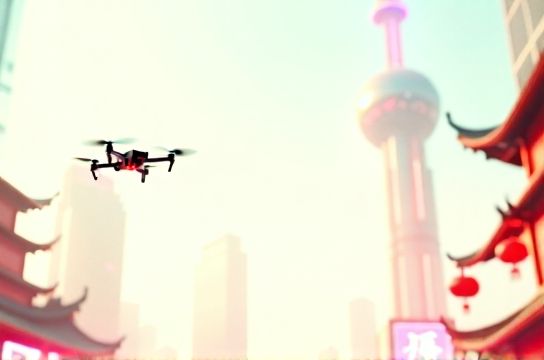
I’ve spent the last five years exploring cities like Shenzhen, Chengdu, and Hangzhou, not just as a traveler, but as a cultural observer. What I’ve found isn’t just contrast — it’s harmony. Let’s break down how futuristic innovation and deep-rooted customs coexist — and why this blend is shaping the future of city life.
The Data Doesn’t Lie: Tech Growth vs. Cultural Preservation
China’s tech boom is no secret. But what’s often overlooked is how fast tradition is being preserved — even celebrated — amid all that change. Check out this snapshot:
| Metric | 2020 | 2023 | Change |
|---|---|---|---|
| 5G Base Stations (Urban) | 700,000 | 1.8 million | +157% |
| National Heritage Sites Protected | 4,296 | 4,872 | +13% |
| Smart City Initiatives | 290 | 427 | +47% |
| Traditional Teahouses (Tier-1 Cities) | 1,050 | 1,380 | +31% |
Wait — teahouses are increasing? Absolutely. In cities like Suzhou and Xi’an, traditional spaces aren’t dying; they’re being reimagined. Think AR-powered calligraphy classes in ancient courtyards or AI-guided temple tours that speak fluent Cantonese.
Cyberpunk Isn’t Just Style — It’s a Lifestyle
The term cyberpunk meets tradition might sound like a film genre, but in China, it’s daily reality. Take Shenzhen: once a fishing village, now a tech powerhouse. Yet, during Lunar New Year, factories shut down, workers return home, and ancestral rituals take center stage. Modernity pauses for meaning.
Even fashion reflects this duality. Designers like Ms. Zhang Wei from Shanghai blend hanfu silhouettes with LED embroidery. Her 2023 collection sold out in 12 minutes — proof that heritage has market power.
Where to See This Fusion IRL
- Chongqing: Labyrinthine alleyways lit by neon and incense. Try the night market near Hongya Cave — street food stalls accept digital yuan, but the recipes are 100+ years old.
- Hangzhou: Alibaba’s backyard, yes — but also home to tranquil West Lake temples where monks meditate surrounded by drone delivery paths.
- Beijing’s 798 Art Zone: A former factory turned avant-garde hub. Here, VR art exhibits sit beside ink painting workshops.
The magic isn’t in choosing between old and new — it’s in seeing how they amplify each other.
Why This Matters Beyond Aesthetics
Other countries struggle to balance progress and preservation. China’s approach? Integrate, don’t eliminate. Facial recognition unlocks bike shares, sure — but it’s also used to verify visitors at Confucian academies.
This isn’t accidental. Government policy since 2021 has required smart city projects to include cultural components. No AI district gets approved without a heritage angle. That’s strategic foresight.
So next time you see a TikTok of a robot serving tea in a Ming-style pavilion, know this: it’s not a gimmick. It’s the blueprint.