
New Chinese Aesthetic on Social Media Platforms
- Date:
- Views:315
- Source:The Silk Road Echo
If you've scrolled through TikTok, Instagram, or Xiaohongshu lately, you’ve probably noticed a fresh wave of visuals taking over: the new Chinese aesthetic. It’s not just cheongsams and red lanterns anymore — this trend blends tradition with modern flair, creating something totally unique and highly shareable. As a digital culture blogger who’s been tracking visual trends across East Asia and the West, I’ve seen how this movement is reshaping brand content, fashion lines, and even travel marketing.
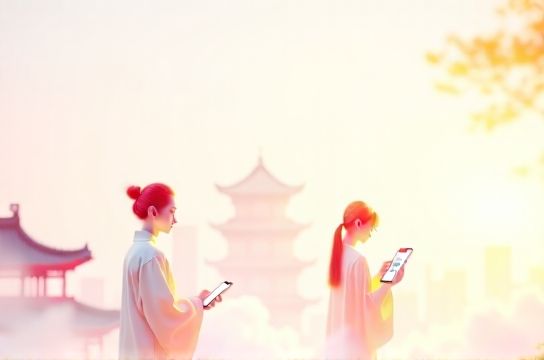
What Is the New Chinese Aesthetic?
Gone are the days when 'Chinese style' meant predictable symbols. Today’s new Chinese aesthetic fuses Hanfu elements with streetwear, uses ink-wash gradients in digital art, and pairs classical poetry with lo-fi beats. Think misty mountain backdrops on skincare ads, or jade-colored eyeshadows trending globally thanks to Chinese beauty influencers.
Data shows this isn’t just a flash in the pan. According to a 2023 report by QuestMobile, content tagged #新中式 (new Chinese style) on Xiaohongshu grew by 180% year-over-year, with over 6.7 million posts. On TikTok, hashtags like #ChineseAesthetic have hit 4.3 billion views — and engagement rates are 35% higher than average.
Key Elements Driving the Trend
So what exactly makes this aesthetic tick? Here’s a breakdown of the core components gaining traction:
| Element | Traditional Root | Modern Twist | Popularity Index* |
|---|---|---|---|
| Hanfu-inspired fashion | Dynastic clothing | Mini skirts + horse-face pleats | 9.2/10 |
| Ink wash visuals | Shui-mo painting | AI-generated gradients in app UIs | 8.7/10 |
| Calligraphy typography | Brush script | Used in sneaker collabs & logos | 8.5/10 |
| Wuxia moodboards | Martial arts lore | Film-inspired travel vlogs | 8.0/10 |
*Based on social reach, engagement, and commercial adoption (2023–2024)
Why It’s Going Global
The rise of the new Chinese aesthetic isn’t just cultural pride — it’s smart design meeting digital virality. Platforms like Xiaohongshu act as incubators, where young creators remix heritage into scroll-stopping content. International brands are catching on fast: Estée Lauder’s 2024 Lunar New Year collection used gradient packaging inspired by Jiangnan gardens, resulting in a 42% sales bump in Greater China.
But authenticity matters. Audiences can spot forced ‘cultural dressing.’ The most successful campaigns collaborate with local artists, use accurate symbolism, and respect context. For example, instead of using dragons as generic 'Asian' motifs, brands now tie them to specific festivals or regional myths.
How to Use This Trend (Without Cultural Appropriation)
- Collaborate, don’t copy: Partner with Chinese designers or digital artists.
- Educate your audience: Add short captions explaining the meaning behind visuals.
- Adapt, don’t adopt: Pull inspiration, not exact replicas.
This aesthetic is more than pretty pictures — it’s a cultural reset in visual storytelling. Whether you’re a creator, marketer, or just someone who loves beautiful content, now’s the time to dive in — the future of style is already here.