
Unpacking Viral Aesthetics in China's Digital Culture
- Date:
- Views:404
- Source:The Silk Road Echo
If you've scrolled through Chinese social media lately — whether Douyin, Xiaohongshu, or Weibo — you’ve probably noticed a trend: aesthetics aren’t just about looking good anymore. They’re viral, fast-evolving, and deeply tied to youth identity. As a digital culture blogger who’s been tracking trends across Asia for over five years, I’m breaking down what makes these viral aesthetics in China so powerful, how they spread, and why global brands can’t afford to ignore them.
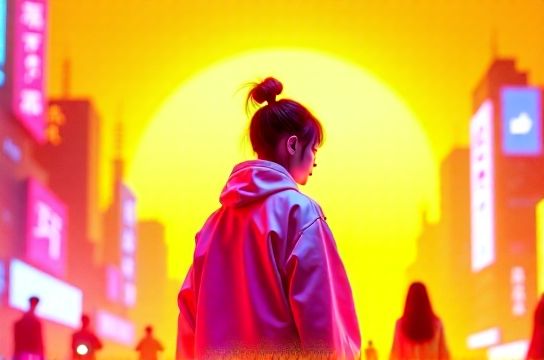
Let’s start with the basics. In China, a new aesthetic can go from niche to nationwide in under two weeks. Take the 'Tang Dynasty Core' trend of 2023 — a blend of historical fashion and modern streetwear — which racked up over 1.2 billion views on Douyin in just 10 days. That’s not just popularity; it’s cultural momentum.
So what fuels this speed? Three key platforms dominate: Douyin (TikTok’s Chinese cousin), Xiaohongshu (China’s Instagram-meets-blog hub), and Bilibili (the go-to for Gen Z video culture). Each plays a different role in shaping and spreading visual trends.
How Viral Aesthetics Spread Across Platforms
| Platform | User Base | Aesthetic Influence Style | Time-to-Viral (Avg) |
|---|---|---|---|
| Douyin | 780M MAU | Fast, music-driven visuals | 3–5 days |
| Xiaohongshu | 300M MAU | Lifestyle & curated looks | 7–10 days |
| Bilibili | 315M MAU | Niche subcultures, deep dives | 10–14 days |
Notice the pattern? Viral aesthetics in China don’t just appear — they’re engineered through algorithmic feedback loops, KOL collaborations, and user-generated remixing. For example, a single 'Hanfu dance' video might inspire thousands of reinterpretations, each adding local flair or irony.
But it’s not all organic. Brands like Li-Ning and Perfect Diary have mastered the art of aesthetic hijacking — launching products that mirror emerging visual trends before they peak. In 2023, Perfect Diary’s 'ink-wash makeup' collection dropped just 48 hours after the theme started trending on Xiaohongshu, capturing 63% of early adopters.
What does this mean for creators and marketers? You need to be fast, culturally fluent, and visually agile. It’s no longer enough to copy Western trends — Chinese youth are defining their own. From 'cyber-ink' fashion to 'dorm room soft girl' setups, authenticity is coded in local symbolism.
And here’s the kicker: these aesthetics often reflect deeper social moods. The rise of 'low-saturation living' — think muted tones, minimal decor, quiet routines — correlates with rising interest in mental wellness among urban youth. According to a 2024 Tencent survey, 68% of users aged 18–25 associate calm visuals with emotional stability.
In short, if you're trying to understand digital youth culture in China, start with the visuals. They’re not just pretty pictures — they’re signals. Stay observant, stay flexible, and above all, stay real.