
Rethinking Tradition in China’s Visual Economy
- Date:
- Views:296
- Source:The Silk Road Echo
If you're trying to crack the code on digital content in China, here's a hot take: tradition isn't dead — it's just been rebooted. As someone who’s spent years deep-diving into China’s visual economy, from Douyin trends to livestream e-commerce explosions, I’ve seen how heritage and hyper-modernity aren’t at odds. They’re actually best friends.
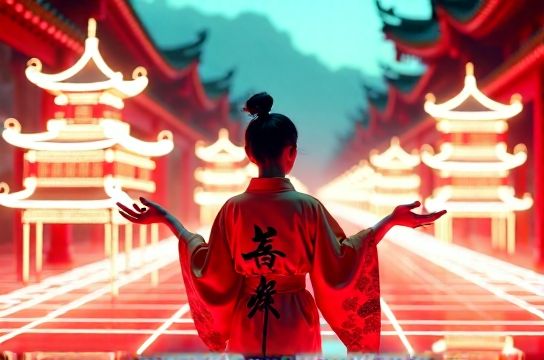
Let’s get real — when people think of Chinese culture, they imagine red lanterns, calligraphy, maybe a kung fu flick. But scroll through Xiaohongshu or Bilibili today? You’ll see Gen Z repping Tang dynasty makeup with neon streetwear. That’s not nostalgia. That’s cultural remixing at scale.
Take Li Ziqi, for example. Her videos pull in millions globally by showcasing traditional crafts — but shot like cinematic ASMR. No voiceovers, just the sizzle of oil, the chop of a knife. She didn’t preserve tradition; she reframed it. And brands are catching on fast.
According to iResearch, over 68% of urban Chinese consumers aged 18–35 say they’re more likely to buy from brands that incorporate traditional elements — but only if it feels authentic, not forced. That’s key. You can’t slap a dragon on a sneaker and call it ‘cultural fusion.’
Why Traditional Aesthetics Are Winning in Digital Spaces
The truth? Nostalgia sells, but context matters. Platforms like Douyin (China’s TikTok) have turned ancient poetry readings into viral duet challenges. Hangzhou-based brand Pechoin saw a 40% sales jump after launching a skincare line inspired by imperial beauty rituals — complete with porcelain packaging.
Here’s a snapshot of how cultural themes impact consumer behavior:
| Cultural Element | Consumer Appeal (18–35) | Brand Adoption Rate | Sales Uplift (Avg.) |
|---|---|---|---|
| Festival Themes | 76% | High | 22% |
| Imperial Design | 63% | Moderate | 18% |
| Folk Craft Motifs | 58% | Low | 12% |
| Calligraphy & Typography | 51% | Medium | 15% |
So what’s the takeaway? It’s not about going full qipao or painting your store like a temple. It’s about visual storytelling with roots. Think moon gate arches in AR filters, or guqin sounds in ad jingles. Subtlety wins.
And don’t sleep on regional traditions. While Beijing and Shanghai lead in budget, cities like Chengdu and Xi’an are becoming cultural innovation labs. One Sichuan tea brand used local opera masks in its packaging and saw a 30% increase in under-30 buyers.
The future of China’s visual economy isn’t just pixels and algorithms — it’s memory, meaning, and mashups. If your brand still treats tradition as a museum piece, you’re already behind.