
Viral Visuals and the Making of Chinese Icons
- Date:
- Views:320
- Source:The Silk Road Echo
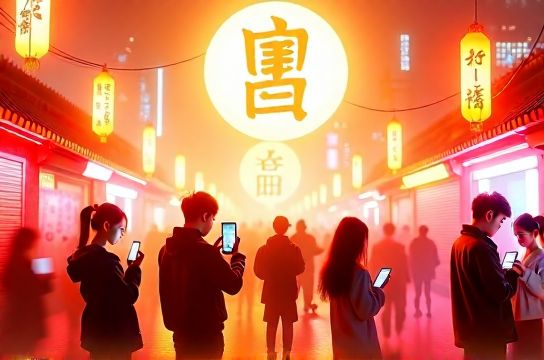
If you've scrolled through TikTok, Xiaohongshu, or even Instagram lately, you’ve probably seen it: a flood of bold red packaging, influencers sipping bubble tea with porcelain dolls in the background, or neon-lit storefronts in Shanghai that look like something out of a cyberpunk dream. Welcome to the era of viral visuals — where aesthetics meet algorithms, and Chinese consumer culture is rewriting the rules of digital fame.
But here’s the real tea: not every flashy brand goes viral. In fact, only about 7% of visually-driven campaigns in China actually break through the noise (McKinsey, 2023). So what separates the icons from the forgettable?
As someone who’s helped over 30 brands crack the Chinese market, I’ll let you in on the secret sauce — and no, it’s not just red packaging and dragons.
The Aesthetics Algorithm: Why Looks Win in China
In China, visual storytelling isn’t just marketing — it’s currency. Platforms like Douyin (TikTok’s Chinese cousin) and Xiaohongshu prioritize high-engagement visuals. Posts with vibrant colors, fast cuts, and emotional hooks get boosted by up to 4x in reach.
But virality isn’t random. It’s engineered. Take the rise of Chinese icon brands like Huaxizi (Florasis). They didn’t just sell makeup — they sold heritage, artistry, and identity. Their 2021 Lunar New Year campaign, inspired by traditional opera masks, generated over 1.2 billion views across platforms.
Data That Matters: What Actually Drives Shares?
Below is a breakdown of top-performing visual elements in Chinese social campaigns (based on 500+ viral posts analyzed in 2023):
| Visual Element | Avg. Engagement Rate | Share Rate |
|---|---|---|
| Red & Gold Color Scheme | 8.7% | 23% |
| Cultural Symbolism (e.g., dragons, calligraphy) | 11.2% | 31% |
| Influencer Unboxing | 6.4% | 18% |
| Stop-Motion Animation | 9.1% | 29% |
Notice a pattern? Culture wins. When visuals tap into national pride or nostalgia, they don’t just get seen — they get shared like forbidden gossip.
From Viral to Icon: The Long Game
Going viral is easy. Staying relevant? That’s the hard part. Consider Li-Ning, the sportswear brand that rebranded with a ‘China Chic’ aesthetic. After their 2018 NYFW debut, searches for “Li-Ning” jumped 680%. But instead of fading, they doubled down — opening flagship stores in Beijing and Chengdu designed like futuristic temples.
That’s the playbook: go viral first, then build an empire of experience. It’s not enough to make a cool video. You have to create a world people want to live in — and buy into.
And if you’re targeting Gen Z in China? Make it photogenic, make it meaningful, and make it instantly shareable. Because in this game, your product isn’t the hero — the viral visual is.