
The Poetics of Space in Chinese Trend Culture
- Date:
- Views:265
- Source:The Silk Road Echo
If you’ve been scrolling through design feeds or sipping matcha in a minimalist café in Shanghai, you’ve probably felt it—the quiet magic of Chinese trend culture reshaping how we experience space. It’s not just about aesthetics; it’s about emotion, memory, and the subtle dance between emptiness and form. As a cultural blogger who’s tracked urban lifestyle shifts across Beijing, Hangzhou, and Shenzhen, I’ve seen how spatial poetics is becoming the soul of modern Chinese cool.
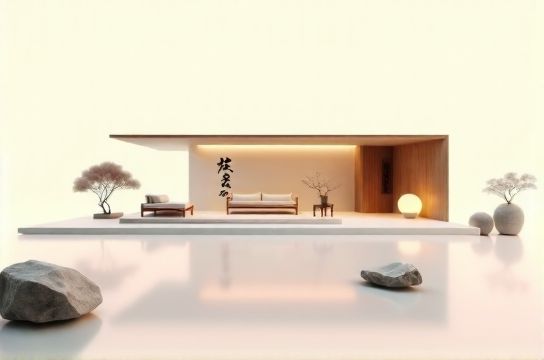
Forget cold minimalism. The new wave blends feng shui wisdom with Scandinavian simplicity and digital-age functionality. Think: light-filled studios with sliding bamboo screens, multi-use furniture that ‘breathes’ with your mood, and shared co-living spaces that feel more like art installations. This isn’t accidental—it’s intentional design rooted in centuries of philosophy.
Why Space Speaks Volumes in Modern China
Urban density is real—over 64% of China’s population now lives in cities (World Bank, 2023). With smaller apartments and faster lives, how we use space matters more than ever. Developers and designers are responding by prioritizing ‘emotional efficiency’—spaces that don’t just store things but nurture well-being.
Take the rise of ‘micro-zen’ apartments in Guangzhou. These 30–50㎡ units sell out in hours, thanks to smart layouts that include foldable kitchens, hidden storage, and mood lighting synced to apps. They’re not just small—they’re thoughtful.
Data That Proves the Shift
Check out what’s happening in consumer behavior:
| Trend | YoY Growth (2023) | Top Cities |
|---|---|---|
| Multifunctional Furniture | 38% | Shanghai, Chengdu, Hangzhou |
| Smart Home Integration | 52% | Beijing, Shenzhen, Nanjing |
| Taoist-Inspired Interiors | 29% | Suzhou, Xi’an, Kunming |
Source: China Urban Living Report 2023, McKinsey & Company
This isn’t just about buying stuff—it’s a cultural pivot. People aren’t looking for bigger homes; they want better feelings at home. And brands? They’re listening. Xiaomi’s ecosystem now includes scent diffusers and ambient sound panels designed to ‘curate calm.’
The Poetic Principles You Can Steal
Want to bring this vibe into your own space? Here are three rules from Chinese trend culture that actually work:
- Embrace ‘Lingering Void’ (留白 – liú bái): Borrowed from ink painting, this means leaving intentional empty space. It reduces visual noise and invites focus.
- Flow Over Function: Arrange furniture to guide movement like a slow river—not straight lines, but gentle curves that echo nature.
- Material Memory: Use wood, stone, or handmade ceramics. They age beautifully and carry emotional weight.
In Chengdu, I visited a co-living space where residents rotate rooms monthly. Sounds chaotic? Actually, it fosters deeper connection—to people and place. Transience becomes grounding. That’s the paradox at the heart of this trend: impermanence, done right, creates belonging.
So whether you’re redesigning a studio or just craving more peace, remember: space isn’t passive. In today’s Chinese trend culture, it’s a poem waiting to be lived.