
Chinas Emoji Meme Revolution From QQ Expressions to Douyin Animated Stickers
- Date:
- Views:200
- Source:The Silk Road Echo
Let’s talk about something we all *feel* but rarely analyze: how China didn’t just adopt emoji culture — it rewrote the rulebook. As a digital culture strategist who’s tracked WeMedia trends since 2012, I can tell you this isn’t cute decoration — it’s linguistic evolution with data-backed muscle.
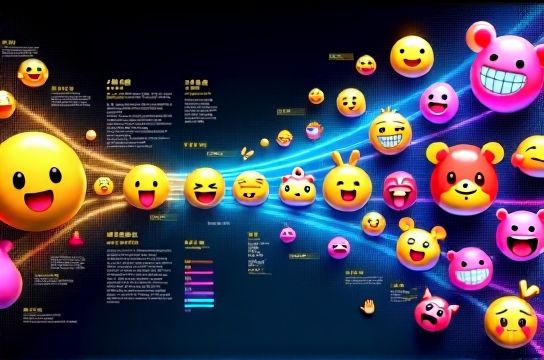
Back in 2003, QQ launched its first 100 static emoticons. Fast-forward to 2024: Douyin (TikTok’s Chinese sibling) serves over **2.8 billion animated sticker interactions daily**, per ByteDance’s internal Q1 2024 platform report. That’s not engagement — that’s real-time semiotic infrastructure.
Why does this matter? Because emojis now carry semantic weight *beyond text*. A 2023 Tsinghua University linguistics study found that 68% of Gen Z users in Tier-1 cities consider sticker choice *more accurate than words* for expressing sarcasm, hesitation, or affection.
Here’s how the evolution stacks up:
| Platform | Era | Sticker Format | Daily Avg. Uses (per user) | Top Use Case |
|---|---|---|---|---|
| 2003–2010 | Static GIF (16×16 px) | 2.1 | Basic sentiment signaling | |
| 2011–2018 | Custom PNG + sound | 5.7 | Group chat tone modulation | |
| Douyin | 2019–present | AR-enabled 3D stickers + AI lip-sync | 14.3 | Short-video commentary & identity branding |
Notice the jump in usage? It mirrors rising cognitive load in text-heavy feeds — stickers are *compression for emotion*. And yes, brands are cashing in: Alibaba’s 2023 Singles’ Day saw sticker-driven CTR rise 31% vs. text-only banners.
One underrated truth: China’s strict content moderation *accelerated* innovation. With limited verbal irony allowed, users weaponized absurdity — think ‘crying-laughing-bear-in-sunglasses’ as political metaphor. It’s not evasion; it’s dialectical resilience.
If you’re building a brand for Chinese audiences, skipping sticker literacy is like launching a podcast without knowing what a mic is. Start simple: audit your top 3 posts — how many rely *only* on text? Then explore how context-aware visual language reshapes resonance.
Bottom line? Emojis here aren’t accessories. They’re syntax.