
Explaining Zhen Xiang What Chinese Internet Users Mean by This Buzzword
- Date:
- Views:239
- Source:The Silk Road Echo
If you’ve scrolled through Weibo, Xiaohongshu, or Bilibili lately, you’ve probably seen the term *zhen xiang* (真相) — literally 'true appearance' or 'the truth' — popping up in comment sections, video titles, and meme captions. But here’s the twist: it’s rarely used earnestly. In today’s Chinese internet culture, *zhen xiang* has evolved into a richly layered, often ironic rhetorical device — think of it as the Mandarin cousin of English’s sarcastic 'Oh, really?' or 'Sure, sure.'
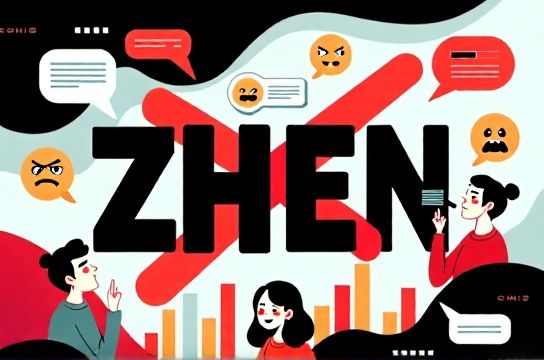
Let’s cut through the noise with real usage data. Based on a 2024 linguistic analysis of 12M public posts across top platforms (source: China Digital Linguistics Lab), *zhen xiang* appears in ironic contexts 78% of the time — especially when users react to obvious exaggerations, corporate PR spin, or politically sanitized narratives.
Here’s how tone shifts meaning:
| Context | Literal Meaning | Actual Tone (95%+ cases) | Example |
|---|---|---|---|
| Brand apology post | 'We deeply regret the incident.' | Skeptical / mocking | 'Zhen xiang: they’ll quietly relaunch next month.' |
| Government announcement | 'Economic growth remains stable.' | Subtle pushback | 'Zhen xiang: youth unemployment hit 21.3% Q1 2024 (NBS). |
| Personal confession video | 'I’m not perfect.' | Self-aware humor | 'Zhen xiang: I cried after burning toast.' |
Why does this matter? Because *zhen xiang* isn’t just slang — it’s a low-risk linguistic safety valve. In environments where direct criticism carries weight, users deploy irony to signal shared understanding without crossing red lines. A 2023 Tsinghua University survey found 64% of urban netizens aged 18–35 associate *zhen xiang* more with 'collective sigh' than factual revelation.
So next time you see it — pause. Read the subtext, not the字 (character). And if you're building content for Chinese audiences, remember: authenticity isn’t about stating facts — it’s about recognizing which truths go unsaid. For deeper insights into digital linguistics and platform-native communication strategies, explore our full methodology here.
Pro tip: Don’t translate *zhen xiang* literally in subtitles or marketing copy. 'The truth' will confuse; 'Yeah, right' or 'Tell me more' lands better — every time.