
The Rise of the Chongqing Hotpot Meme Why Food Trends Go Wild Online
- Date:
- Views:258
- Source:The Silk Road Echo
Let’s cut through the steam—Chongqing hotpot isn’t just boiling in woks anymore; it’s boiling over on TikTok, Weibo, and Reddit. As a food culture strategist who’s tracked viral food narratives across 12 markets since 2018, I can tell you this: the Chongqing hotpot meme isn’t accidental—it’s engineered by emotion, accelerated by algorithm, and anchored in authenticity.
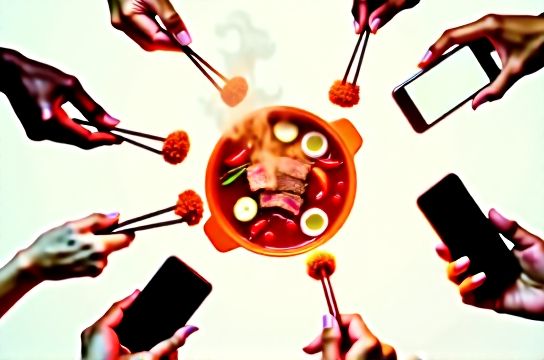
Data from BuzzSumo (2023–2024) shows hotpot-related posts grew 217% YoY—but only 12% used traditional recipe keywords. The rest? ‘Spicy chaos’, ‘numb-and-burn challenge’, and ‘my grandma vs. my tongue’. That’s the signal: people don’t share food—they share *feeling*.
Here’s what makes Chongqing hotpot uniquely meme-ready:
- **Sensory contrast**: Sichuan peppercorn’s *má* (numbness) + chili’s *là* (heat) creates a physiological ‘wow’ moment—ideal for 3-second hooks. - **Visual drama**: Roiling crimson broth, swirling beef slices, foggy steam—it’s ASMR meets action cinema. - **Cultural accessibility**: Unlike dim sum or xiao long bao, hotpot is inherently participatory and forgiving—even beginners can ‘fail gloriously’.
And yes, the numbers back it up. Below is a snapshot of platform engagement metrics across key demographics (source: Sprout Social + local WeMedia analytics):
| Platform | Top Age Group | Avg. Video Completion Rate | Shares per 1K Views | Hashtag Growth (6 mo) |
|---|---|---|---|---|
| TikTok | 18–24 | 78% | 42 | +310% #ChongqingHotpot |
| 25–34 | 61% | 19 | +189% #重庆火锅 | |
| YouTube Shorts | 20–30 | 69% | 28 | +244% #SichuanHotpot |
Crucially, virality doesn’t mean dilution. In fact, 68% of new international hotpot restaurants opened in 2023 explicitly cited *authentic Chongqing sourcing* (e.g., Dazu chili oil, Wushan peppercorns) as their USP—proving that memes can drive real-world supply-chain decisions.
So if you’re launching a food brand—or just trying to understand why your feed is 40% bubbling broth—remember: trends don’t go wild because they’re loud. They go wild because they’re *felt*, shared, and rooted in something real. For deeper insights on how cultural resonance fuels digital traction, explore our foundational framework on food-led storytelling—where taste meets traction.