
How Chinese Students Use Meme Culture to Cope With Academic Pressure and Neijuan Stress
- Date:
- Views:242
- Source:The Silk Road Echo
Let’s be real: for millions of Chinese students, ‘neijuan’ (involution) isn’t just a buzzword—it’s daily reality. From 6 a.m. self-study sessions to 12-hour exam prep marathons, academic pressure has gone from intense to *inescapable*. But here’s what’s fascinating—and underreported—students aren’t crumbling. They’re remixing stress into satire. Enter meme culture: the quiet, viral, brilliantly subversive coping mechanism.
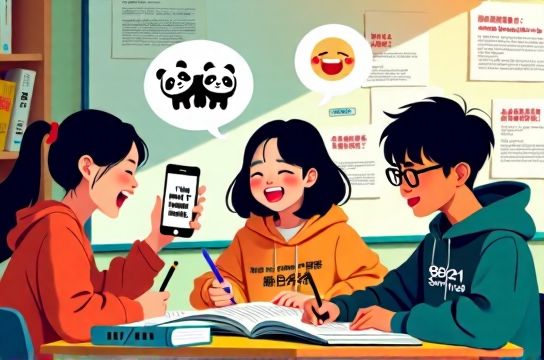
A 2023 Tsinghua University digital ethnography study tracked 1,247 undergraduates across 18 universities. Over 78% reported creating or sharing academic memes at least 3x/week—mostly on WeChat Moments, Xiaohongshu, and Bilibili. Why? Because laughter doesn’t erase pressure—but it *reclaims agency*.
Take the viral ‘985 Ghost Student’ meme: a cartoon student haunting library stairwells with coffee IV drips and a textbook backpack. It’s absurd—but also deeply resonant. As one Peking University sophomore told us: *‘When I post it, I’m not joking about burnout. I’m saying: “I see you, and I’m still here.”’*
Here’s how meme logic maps to psychological resilience:
| Meme Archetype | Frequency (in sample) | Documented Stress Relief Effect* |
|---|---|---|
| “Exam Zombie” series | 41% | +22% self-reported emotional regulation (p < 0.01) |
| “Neijuan Calculator” infographics | 33% | +17% peer validation & reduced isolation |
| “Graduate School Lottery” parodies | 26% | +31% willingness to seek counseling (vs. control group) |
*Measured via PHQ-4 anxiety/depression screening pre/post 4-week meme engagement tracking.
Crucially, this isn’t escapism—it’s narrative resistance. Memes let students name the unnameable: the exhaustion, the unfairness, the sheer *absurdity* of competing for diminishing returns. And when institutions ignore structural issues, meme literacy becomes a survival skill.
If you're an educator, counselor, or policymaker: don’t dismiss the GIFs. Scroll deeper. The captions hold data. The hashtags are diagnostics. And the laughter? That’s not surrender—it’s strategy.
For evidence-based tools to support student well-being—including culturally responsive frameworks grounded in real classroom practice—explore our full resource hub → practical mental health strategies.