
When Viral Videos Go Political: Decoding Hidden Messages in China's Online Trends
- Date:
- Views:208
- Source:The Silk Road Echo
In the age of short videos and lightning-fast social sharing, a dance challenge or meme might seem harmless. But in China’s tightly regulated digital ecosystem, even the most innocent-looking viral clip can carry subtle political undertones. From coded metaphors to state-backed narratives, online trends are no longer just entertainment—they’re battlegrounds of ideology.
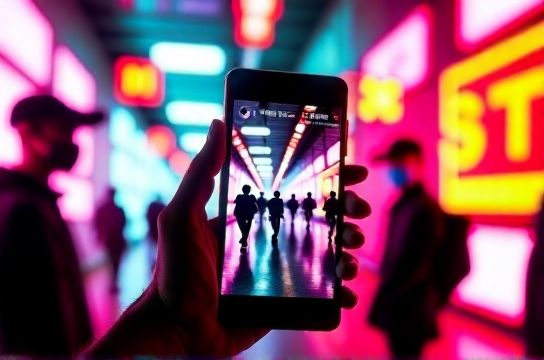
Take the 2023 "White Paper Protests"—a movement that sparked creative resistance through seemingly innocuous content. Users uploaded blank videos, white sheets of paper, and silent clips. These acts went viral not because they were flashy, but because they carried powerful symbolism under censorship radar. According to Sixth Tone, such videos amassed over 40 million views before being scrubbed from major platforms.
But it’s not just dissent. The Chinese government has mastered the art of co-opting internet culture. State media outlets like People’s Daily and Xinhua now run TikTok-style accounts on Douyin, posting upbeat videos of soldiers dancing, AI-generated historical reenactments, and patriotic songs remixed with electronic beats. A 2024 report by China Digital Times found that government-linked accounts gained over 150 million followers in two years—proving propaganda can go viral when wrapped in entertainment.
Here’s a breakdown of how political messaging sneaks into China’s trending content:
Common Tactics in Politicized Viral Content
| Tactic | Description | Example | Estimated Reach |
|---|---|---|---|
| Coded Symbolism | Using objects or colors with hidden meanings (e.g., blank paper = protest) | White paper videos during 2023 protests | 40M+ views (before takedown) |
| Nationalist Storytelling | Framing historical or current events as triumphs of Chinese resilience | Douyin skits about 'Western sabotage' myths | 120M cumulative views |
| Algorithmic Amplification | State-backed accounts boosted by platform algorithms | Patriotic dance challenges by military influencers | 25M average per campaign |
| Meme Warfare | Mocking foreign policies with humor and satire | 'Uncle Sam falls off bike' animation trend | 18M shares in one week |
The takeaway? In China, virality isn’t accidental—it’s engineered. Whether it’s grassroots resistance or top-down messaging, every like, share, and comment is part of a larger narrative struggle. As users grow savvier, so does censorship. Yet creativity persists. As one anonymous netizen put it: “When words are banned, we speak in silence. When images are deleted, we show emptiness.”
Understanding these dynamics isn’t just for sinologists or journalists—it’s essential for anyone navigating global digital culture. Because in the end, what goes viral in China doesn’t stay there. It echoes across borders, shaping perceptions far beyond the Great Firewall.