
Cat GIFs and Communist Propaganda: The Strange World of China’s Emoji Culture
- Date:
- Views:257
- Source:The Silk Road Echo
In China, a simple emoji can be a protest symbol, a political statement, or even state propaganda. Welcome to the wild, weird, and wildly creative world of Chinese digital expression — where cat GIFs dance with socialist slogans and pandas wave red flags.
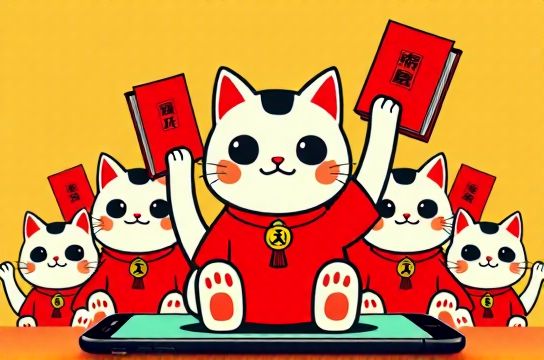
Unlike Western users who fire off 😂 or 🤯 after spicy tweets, Chinese netizens have turned emoji use into an art form layered with satire, censorship workarounds, and national pride. It’s not just about feelings — it’s about survival, humor, and identity in a tightly regulated online space.
Take the ubiquitous cat GIF. On surface level, they’re cute — a fluffy tabby yawning, a kitten chasing a laser dot. But dig deeper, and you’ll find these looping animations used to mock authority, express dissent, or simply say, “I’m too tired to type.” In fact, according to a 2023 report by Tencent Data Lab, over 68% of WeChat users aged 18–35 send cat GIFs daily — often as emotional shields during heated debates.
Then there’s the twist: state-backed emojis. Yes, really. The Chinese government has launched official sticker packs featuring cartoon versions of Xi Jinping waving, red stars spinning, and little soldiers saluting with the caption “Stay Positive! Serve the People!” These aren’t jokes — they’re part of a soft-power push into everyday chat.
Check out this breakdown of top emoji categories on major Chinese platforms:
| Emoji Type | Platform | Daily Usage (Millions) | Main Purpose |
|---|---|---|---|
| Cute Animals (e.g., cats, pandas) | 412 | Humor, evasion of censorship | |
| Patriotic Stickers (flags, leaders) | 207 | Pro-government expression | |
| Sarcastic Faces (eye rolls, fake smiles) | 189 | Satire, passive-aggression | |
| Animated Couplets & Fireworks | Douyin | 301 | Festival culture, brand marketing |
Why does this matter? Because in China, your choice of emoji can reveal your politics, your mood, and even your risk tolerance. Sending a crying-laughing face (😂) is safe. Sharing a GIF of a cat knocking over a stack of books labeled “rules”? That might raise eyebrows — especially if those books look suspiciously like policy documents.
The dance between creativity and control defines China’s emoji culture. Users innovate under pressure, turning whimsy into resistance and patriotism into pop art. So next time you see a panda hugging a red flag, ask yourself: is this propaganda… or genius?