
The Evolution of 'Geili': From Obscure Term to National Buzzword
- Date:
- Views:301
- Source:The Silk Road Echo
If you've spent any time in China's digital world, you've probably come across the term geili (给力). It rolls off the tongue with a punch—short, snappy, and packed with meaning. But how did this once-obscure dialect phrase become a national sensation? Let’s dive into the wild ride of geili, from internet meme to mainstream media darling.
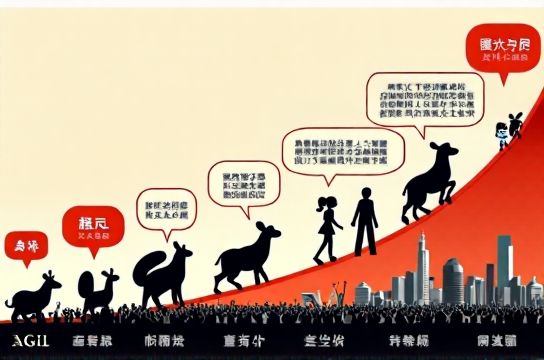
Literally translating to 'giving strength,' geili is used to describe something awesome, impressive, or exceptionally cool. Think of it as the Chinese equivalent of 'awesome' or 'lit.' But its journey wasn’t overnight. It first surfaced in the Fujian dialect, then gained traction in online gaming circles around 2009. The real explosion came when a Japanese comic translation used geili to dub a character saying 'sugoi!' (amazing!). Netizens went wild—and the rest is internet history.
By 2010, geili was so ubiquitous that it made it into the People's Daily, a state-run newspaper, marking its official acceptance into standard Mandarin. Even textbooks started including it. According to Baidu Index, searches for geili peaked at over 800,000 in November 2010 alone.
The Rise of Geili: Key Milestones
| Year | Event | Impact |
|---|---|---|
| 2009 | Used in online gaming forums | Niche popularity among youth |
| 2010 | Viral comic translation; adopted by netizens | National buzzword status |
| 2011 | Included in Xinhua Dictionary | Official linguistic recognition |
| 2015 | Used in CCTV programming | Mainstream media normalization |
What makes geili so enduring? Its versatility. You can say 'zhe ge yingpian hen geili' (this movie is awesome) or 'bu geili' to call something lame. It’s adaptable, expressive, and deeply rooted in internet culture.
Today, while newer slang like yuanshenju (original face-saving move) or nefumu (involution) dominate discussions, geili remains a nostalgic staple—a symbol of early Chinese internet creativity.
In a way, geili isn’t just a word. It’s a cultural timestamp, capturing the energy of a generation that spoke in memes before memes were mainstream.