
Scrolling Through Society: Reading China’s Mood via TikTok-style Platforms
- Date:
- Views:332
- Source:The Silk Road Echo
Let’s be real — if you want to know what a country *actually* cares about, don’t just read the news. Open TikTok. Or rather, in China, open Douyin.
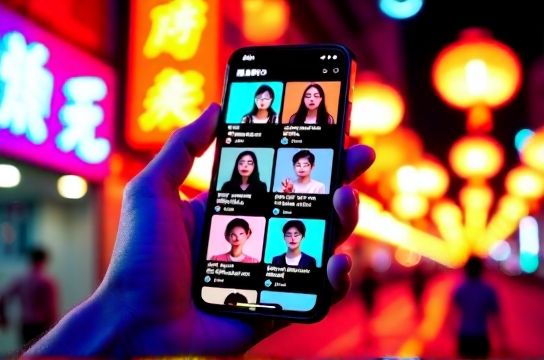
Yeah, that’s right. While TikTok dances across global timelines, its Chinese cousin Douyin is doing way more than serving up cute pets and lip-syncs. It’s basically a live mood ring for society — flashing emotions, trends, and cultural shifts in real time. And honestly? If you’re trying to understand modern China, you need to start scrolling.
Forget dusty textbooks or formal surveys. On Douyin, millions of users — from teens in Shanghai to farmers in rural Sichuan — are sharing their lives raw and unfiltered. One second you’re watching a street vendor make sizzling jianbing (Chinese crepes), the next you’re deep in a viral debate about work-life balance, all wrapped in snappy 60-second clips.
Here’s the thing: Douyin isn’t just entertainment. It’s social commentary disguised as content. Take ‘lying flat’ (躺平) — a mindset pushing back against burnout and endless hustle culture. That whole movement? Blew up first on platforms like Douyin. Young people posted videos of themselves chilling at home, rejecting overtime, saying, ‘Nah, I’m good.’ And boom — a national conversation started.
Same goes for ‘lying down’ aesthetics, nostalgic throwbacks to 90s fashion, or even DIY home cooking during lockdowns. These aren’t random trends. They’re subtle signals of what people value, fear, or dream about. When livestreamers sell $100 bottles of rice wine by telling emotional family stories, it’s not just marketing — it’s emotional resonance meeting consumer behavior.
And let’s talk reach. We’re not talking niche influencers here. A single Douyin video can hit tens of millions of views overnight. Teachers, delivery drivers, artists — anyone with a phone and a story can go viral. That kind of access? It flattens traditional media hierarchies and gives voice to everyday folks in a way we’ve never seen before.
Of course, it’s not totally wild west. Content still follows guidelines, and sensitive topics get filtered fast. But within those boundaries, creativity thrives. People find clever ways to express frustration, hope, humor, and pride — often through metaphor, satire, or local dialects that fly under the radar.
So what does this all mean? Simple: short-form video isn’t just shaping culture — it’s reflecting it back at lightning speed. Want to know how young Chinese feel about marriage? Check the skits mocking parental pressure. Curious about urban loneliness? Scroll through late-night monologues from apartment windows. The pulse is there, beating in 9:16 aspect ratio.
In a world where headlines often miss the nuance, platforms like Douyin offer something rare: authenticity in motion. Not polished. Not perfect. But real.
So next time you wonder what’s *really* going on in China, don’t just analyze policies or GDP. Pull up a chair, swipe up, and start watching. The story’s already playing — you just have to know where to look.