
From Fan Culture to National Pride: How Online Trends Reflect Shifting Identities
- Date:
- Views:262
- Source:The Silk Road Echo
You’ve seen it before — a K-pop fan army suddenly flooding political hashtags, anime lovers quoting Sun Tzu in meme wars, or netizens turning a pop song into a national anthem overnight. What’s going on? Well, welcome to the wild ride of how online fan culture is quietly reshaping national identity — and honestly, it’s more real than we think.
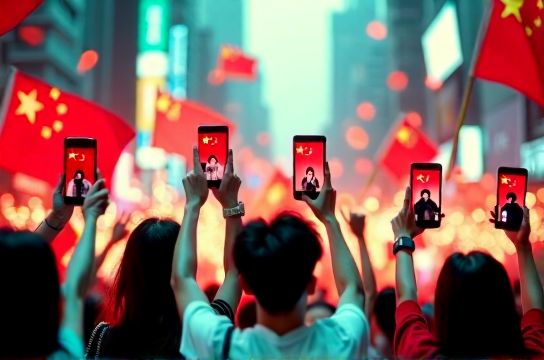
Not too long ago, being a ‘stan’ meant obsessing over your favorite idol, refreshing Twitter for updates, and maybe getting into petty ship wars. But now? Fandoms are flexing serious cultural muscle. Take BTS fans, for example. They didn’t just break records — they organized fundraisers, crashed police surveillance apps, and even influenced voting campaigns. These aren’t just fan clubs anymore; they’re digital communities with coordination skills that would make a military general jealous.
And here’s the twist: this hyper-engaged online behavior isn’t staying in the fandom bubble. It’s spilling over into how young people express pride in their countries. In places like South Korea, supporting BTS isn’t just about music — it’s become a point of national bragging rights. The government even appointed the band as special presidential envoys. That’s not just pop culture — that’s patriotism with a beat.
Same goes for anime fans in Japan or gaming communities in China. When a homegrown game goes viral or a local artist tops global charts, the response isn’t just excitement — it’s collective pride. Memes, hashtags, TikTok dances — these tools of internet chaos are now vehicles for soft power. Countries aren’t just exporting products; they’re exporting vibes, and fans are the delivery system.
But it’s not all rainbows and retweets. This blend of fandom and national pride can get messy. Online battles between fan groups sometimes turn into full-blown cyber-nationalism, where criticizing a celebrity feels like attacking the country itself. And let’s be real — when emotions run high and anonymity runs deeper, things can escalate fast.
Still, you can’t ignore the shift. The internet gave fans a voice, and they’ve used it to build tribes that cross borders — yet somehow, end up strengthening them. Identity today isn’t just about where you’re from; it’s about who you stan, what you share, and how loud you cheer online.
So next time you see a trending hashtag started by fans, don’t scroll past thinking it’s just noise. It might be the sound of a new kind of national pride — one powered by playlists, pixel art, and pure passion.