
Behind the Laughter: Social Commentary in China’s Viral Videos
- Date:
- Views:270
- Source:The Silk Road Echo
You’ve probably seen them—those short, hilarious clips flooding your feed with exaggerated expressions, dramatic music, and over-the-top scenarios. At first glance, Chinese viral videos might seem like pure entertainment, but dig a little deeper and you’ll find something way more interesting: sharp social commentary hiding behind the laughter.
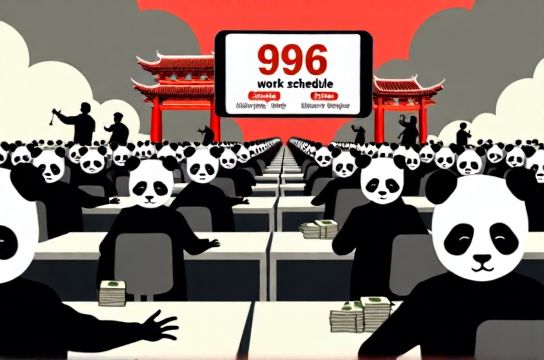
In China, where open political speech is limited, netizens have gotten creative. They use humor, satire, and metaphor to talk about real-life struggles—from sky-high housing prices to the pressure of getting married young. These videos don’t scream protest; they whisper truth through comedy.
Take the "lying flat" (躺平) trend, for example. On the surface, it’s just people joking about doing nothing all day. But it’s actually a quiet rebellion against the grind culture that demands endless hustle. One viral skit shows an office worker dramatically collapsing onto their desk while a voiceover says, “I’m not lazy—I’m just optimizing my energy for future revolutions.” It’s funny, sure, but also painfully relatable for millions dealing with burnout.
Then there’s the rise of 'fake rich' content—people pretending to live luxury lifestyles with fake designer bags, rented sports cars, and staged mansion tours. While some see it as cringe, others recognize it as a critique of materialism and the growing wealth gap. It’s not just about flexing; it’s about mocking the obsession with status in a rapidly changing society.
Even romance gets a satirical twist. Skits about parents pressuring their kids to marry often feature over-the-top matchmaking scenes, with elders waving CVs at potential suitors like job interviews. The exaggeration makes you laugh, but it also highlights the real tension between traditional expectations and modern individualism.
What makes these videos so powerful is their reach. Platforms like Douyin and Kuaishou have hundreds of millions of users, turning everyday creators into cultural commentators. A single video can spark nationwide discussions, memes, and even influence public opinion—all under the radar of strict censorship, thanks to humor’s protective cloak.
Of course, it’s not all smooth sailing. Some creators push too far and get taken down. Others face backlash for being too cynical or unrealistic. But overall, this blend of comedy and critique has become a new form of digital expression—one that speaks truths too sensitive for straightforward conversation.
So next time you scroll past a goofy Chinese meme, pause for a second. That punchline might just be a protest in disguise.